 Wire Harnesses & Cable Assembly Manufacturer Services
Submit your request to us
Fill in your details and we’ll get back to you in 24 Hours
Search productSearch post
Typical system impedance
Continuity and pinout verification
RFQ response target
Align on needs
Core Pillars
This page targets commercial-intent buyers who need a manufacturing path, not just a list of RF connector names



Failure Prevention
| Checkpoint | Common Failure | Our Control |
|---|---|---|
| Interface definition | The RFQ names a microwave cable assembly but leaves connector interface, gender, plating, or torque assumptions open. | We lock cable part family, connector series, interface details, and mating expectations before production release. |
| Cable-to-connector fit | A nominally compatible connector is selected without fully accounting for cable diameter, dielectric, shield construction, or frequency target. | Connector selection and termination method are reviewed against the exact cable construction and validation target rather than generic compatibility claims. |
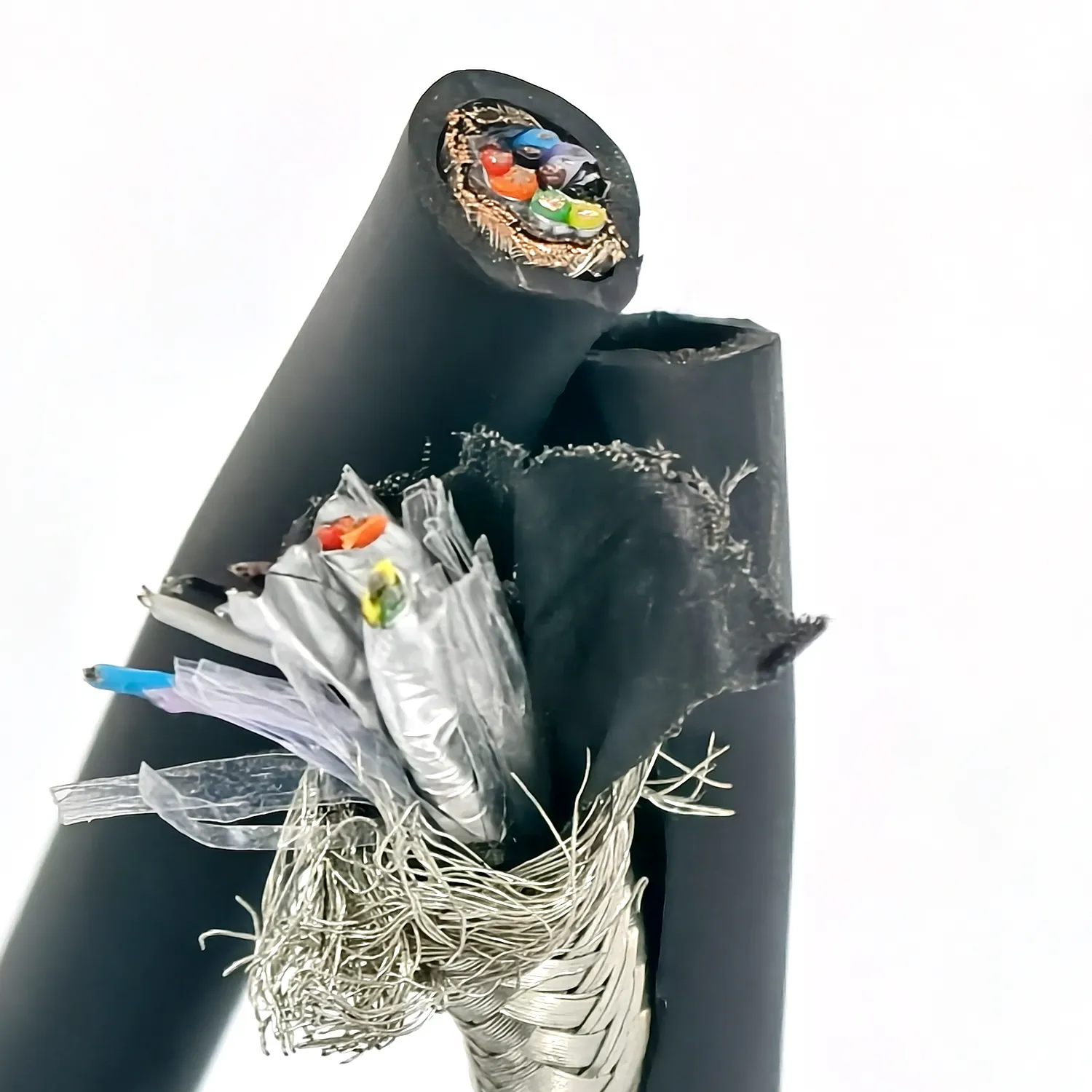
| Shield and bend management | Assemblies pass bench checks but degrade after routing because braid handling, bend radius, or support at the connector exit were under-defined. | We translate shield handling, bend limits, strain relief, and packout protection into route instructions before the first build. |
| RF acceptance plan | The supplier ships with continuity only while the buyer expected defined return loss, insertion loss, or VSWR evidence. | The quote and release package state which electrical checks are standard and which RF measurements are required for acceptance. |
*Public background on insertion loss reflects the same commercial principle: cable length, connector choices, and build execution all influence whether the finished assembly behaves like the released design.
Fit Criteria
This capability is for microwave interconnect sourcing and production control. It is intentionally narrower than a general cable page
Inspection Protects the Quote
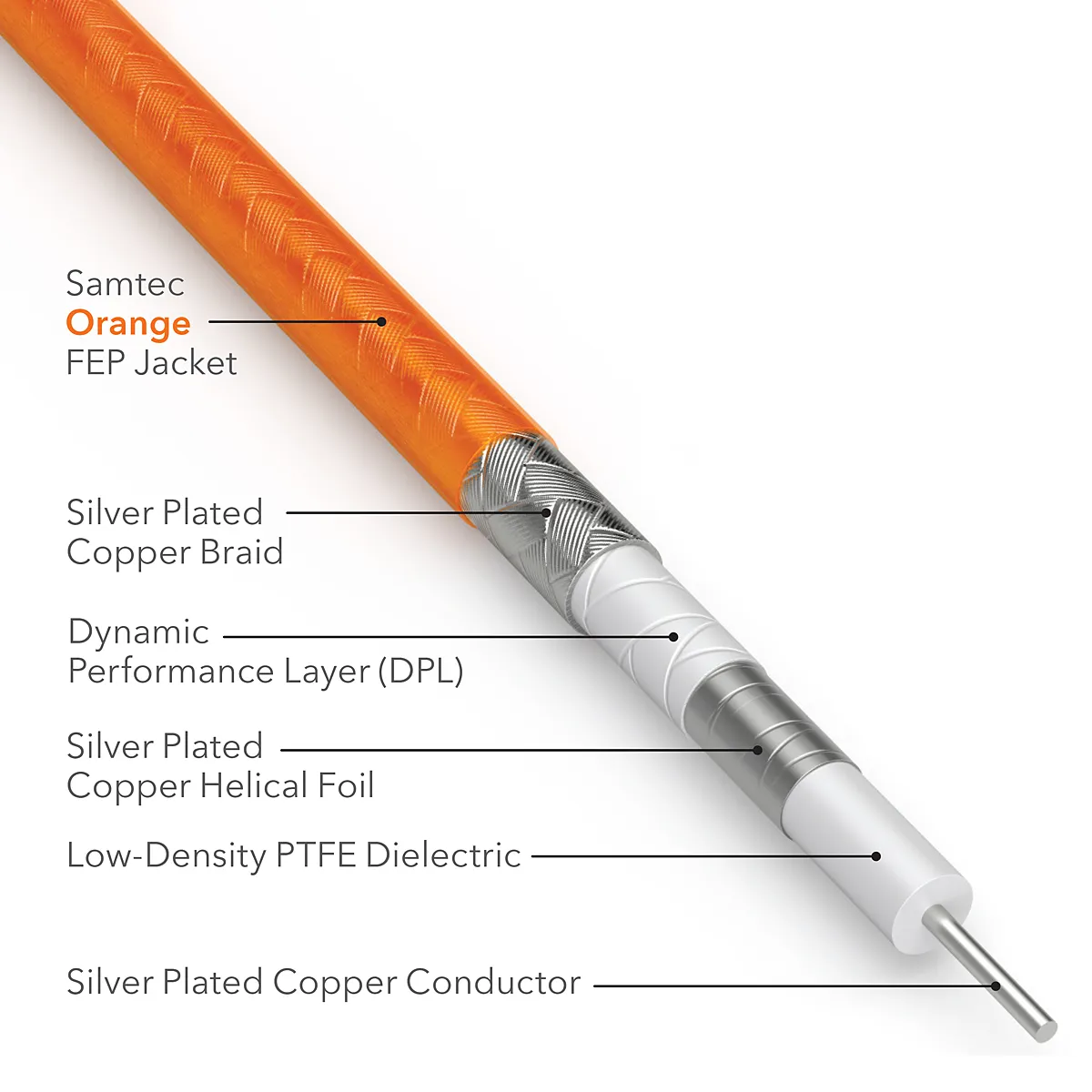
A microwave cable assembly is still a cable assembly, but the commercial risk rises when high-frequency assumptions stay vague. Public background on microwave frequency ranges, coaxial cable construction, and voltage standing wave ratio explain why these programs usually need tighter connector and test planning than a generic cable RFQ.
This offer sits between the broader coaxial cable assembly category and narrow cable-family pages such as RG214 cable assembly. It is designed for buyers who already know the application is microwave-class and want the supplier to quote the released assembly package with the right level of production control.
Microwave builds are often damaged less by one dramatic failure than by a chain of small assumptions: the wrong connector variant, a loose bend rule, or a missing test expectation. That is why we connect testing controls, strain relief planning, connector assembly discipline, and production-release review into one build route.
Buyers comparing this offer to broader RF connector cable assemblies or general coaxial cable assembly sourcing usually want one practical outcome: a supplier that can hold the released microwave configuration stable when the order becomes recurring.
Six-Step Process
This process is designed for buyers qualifying a manufacturing partner, not reading generic RF theory
Buyer Scenarios
These scenarios are where the keyword has the strongest commercial intent and the page avoids overlapping too closely with existing service pages
Display
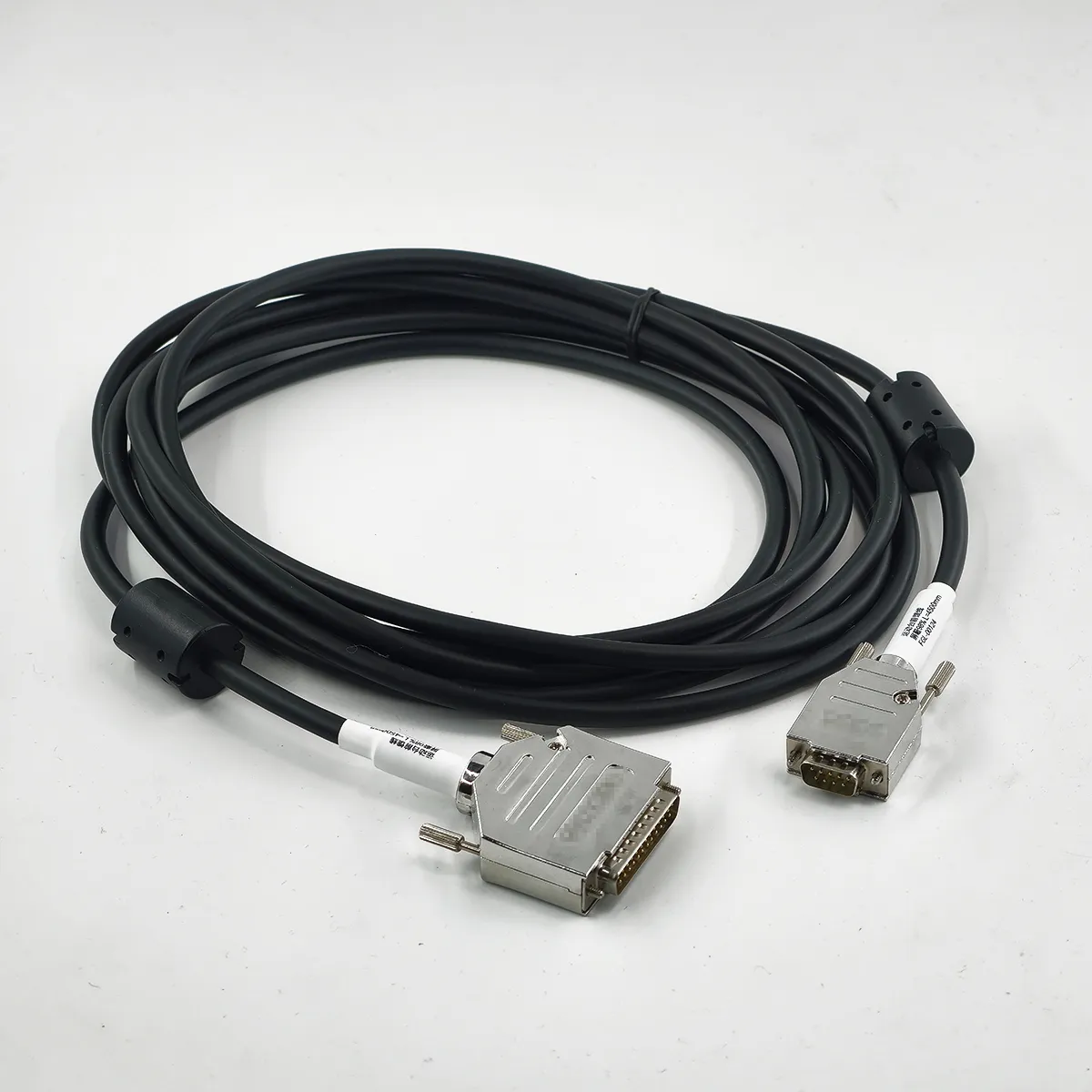
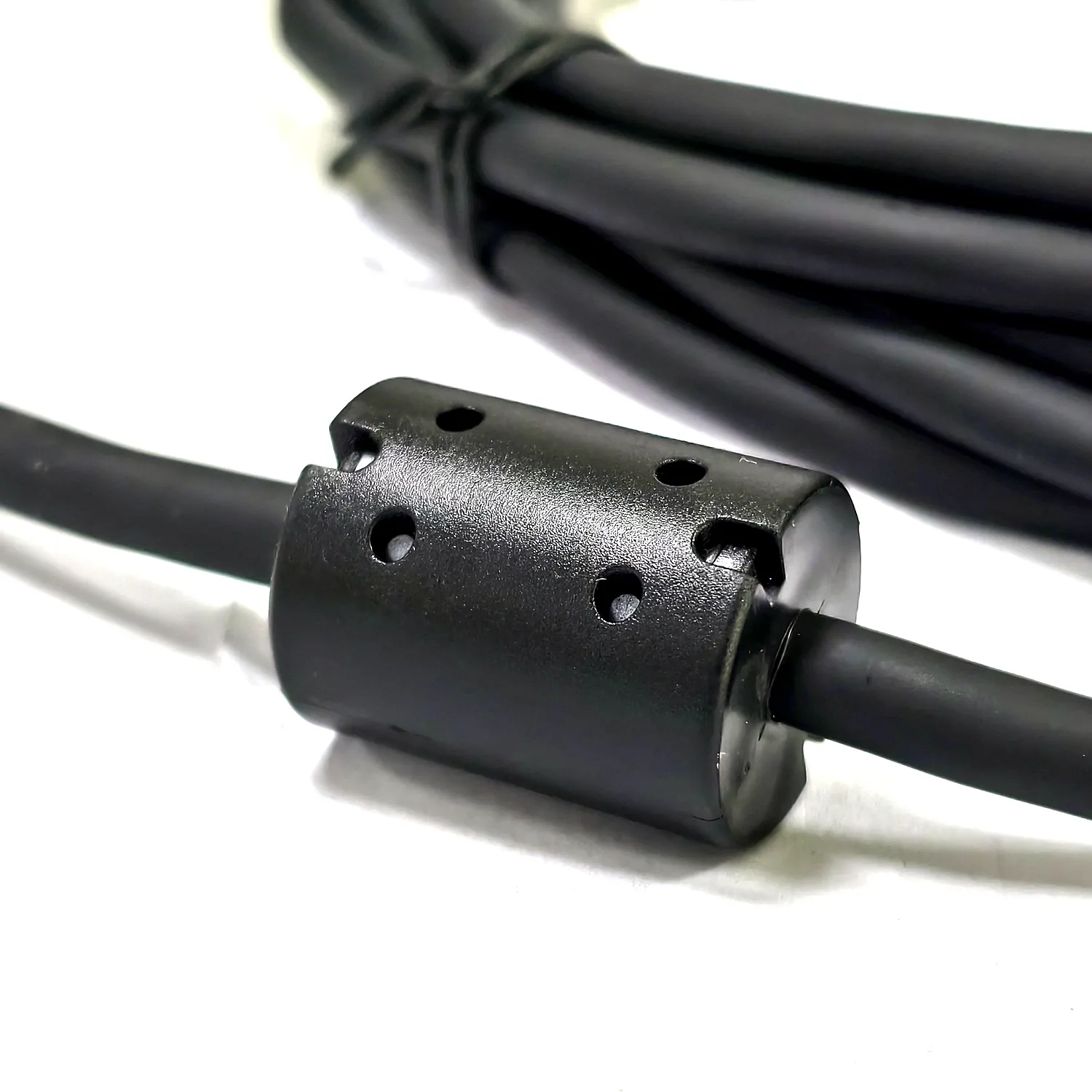
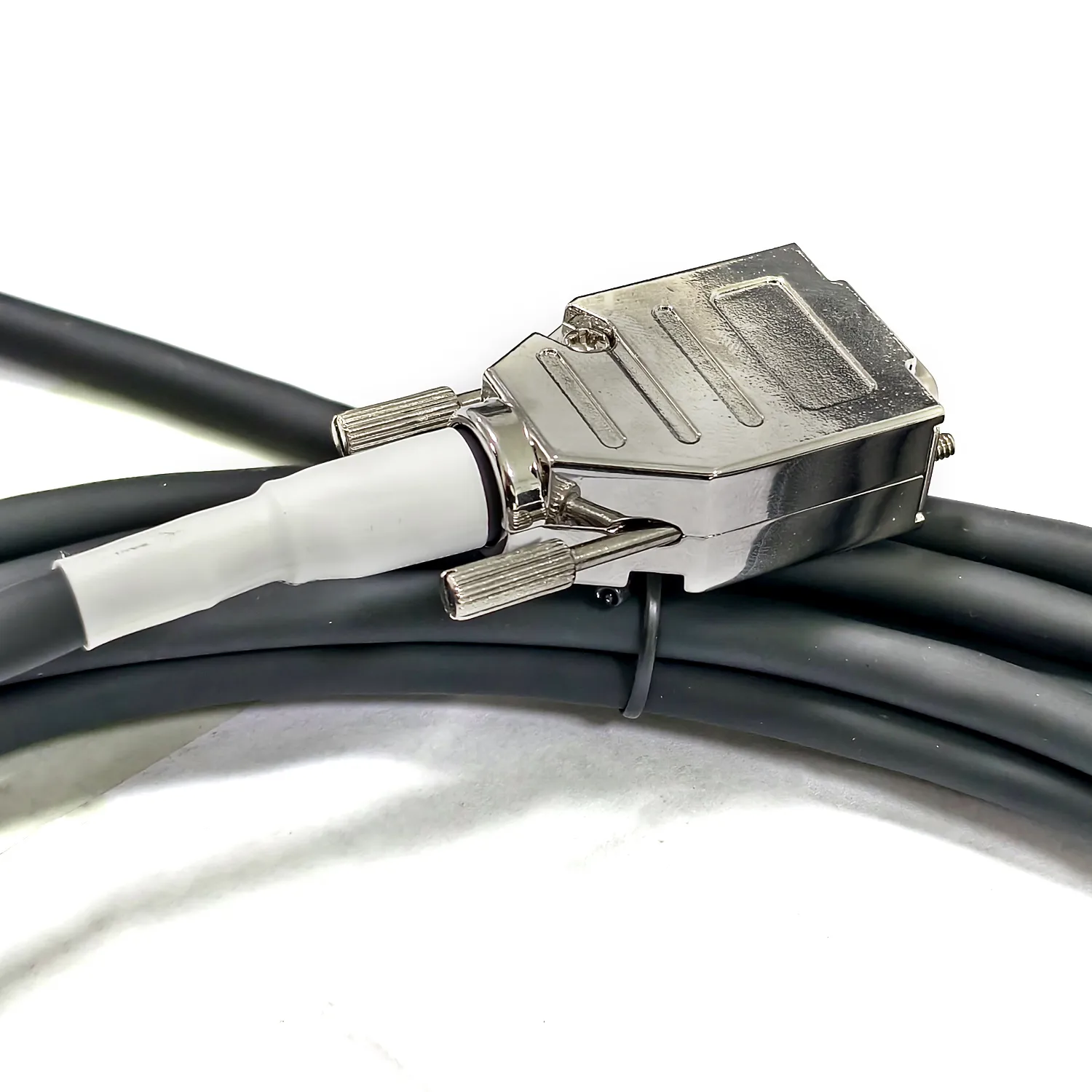
100% real on-site photos. Video inspection available upon request
100% real on-site photos. Video inspection available upon request
Microwave Cable FAQ
Microwave cable assemblies usually require tighter attention to connector compatibility, frequency performance, cable construction, and acceptance criteria than a broad RF inquiry. The difference is less about marketing terminology and more about how explicitly the build package defines impedance, loss targets, routing constraints, and validation requirements.
The fastest RFQ includes the latest drawing revision, cable specification, connector part numbers, target length, expected frequency range, environmental conditions, and the acceptance plan for continuity or RF measurements. Sample photos help, but exact connector and cable callouts reduce risk far more than photos alone.
Yes. We support single-piece first articles, prototype lots, second-source qualification builds, and recurring production without a forced MOQ. The practical requirement is not volume alone; it is whether the released package defines the exact cable, connector, and test expectations clearly enough to build repeatably.
We can align the build package with requested RF validation when the application requires it. Standard production typically starts with continuity and polarity verification, then expands to return loss, insertion loss, VSWR, or related evidence where those checks are part of the acceptance criteria.
SMA, TNC, N-Type, BNC, MCX, MMCX, and other RF interfaces are common, but the right connector depends on the exact cable family, target frequency, mechanical loads, mating cycles, and installation environment. Connector selection should be locked to the released cable specification instead of inferred from the connector name alone.
Repeat stability comes from locking the cable family, connector series, termination method, test plan, and packout rules to the released revision. If alternates are allowed, they should be documented explicitly rather than introduced during purchasing without engineering approval.