 Wire Harnesses & Cable Assembly Manufacturer Services
Submit your request to us
Fill in your details and we’ll get back to you in 24 Hours
Search productSearch post
Factory routing options
RFQ review target
Continuity coverage available
Forced MOQ for evaluation builds
Core Pillars
The point is not only to test harnesses. The point is to hold the test method stable under production conditions


Failure Prevention
| Checkpoint | Common Failure | Our Control |
|---|---|---|
| Program revision | Production keeps running an old tester file after an ECO changed cavity assignments or shield treatment. | We link tester logic, release revision, and first-article approval so program changes are reviewed before the next lot starts. |
| Fixture interface | Bench checks pass because operators are touching flying leads manually, but repeat production fails because the fixture does not control connector seating or breakout access. | Adapter and fixture design are defined around the actual connector family, latch behavior, and harness form so the test setup is repeatable. |
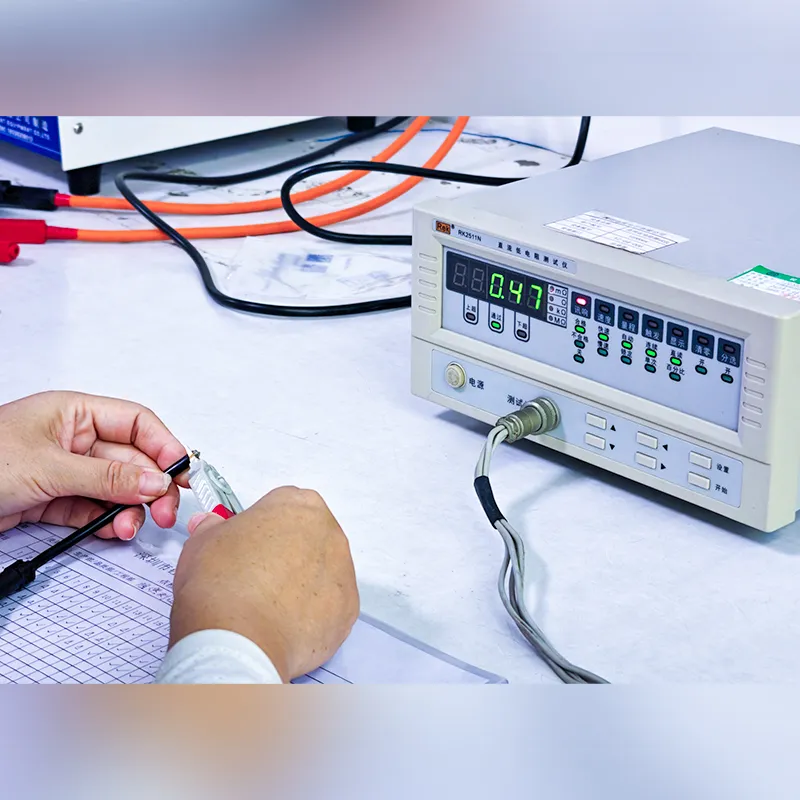
| Acceptance windows | A continuity-only pass misses insulation faults, swapped pins, or resistance problems that matter in the field application. | We choose the right mix of continuity, shorts, hipot, IR, shield, or resistance checks based on the released risk profile. |
| Production handoff | Engineering approves one golden sample, but production does not inherit the same tester limits, labels, or records. | The approved tester setup becomes part of the manufacturing package for pilot, ramp, and recurring builds. |
*This is also why first-article discipline matters. Public background on first article inspection follows the same logic: prove the released method before wider production depends on it.
Fit Criteria
This capability is for buyers who need a controlled harness tester route, not a generic reference to electrical inspection
Inspection Protects the Quote
Buyers searching for a wire harness tester are usually not shopping for a generic continuity box. They need a supplier that can connect the released net list, the mating interface, and the production acceptance plan into one stable method. That is why this page sits alongside our broader testing capability, harness manufacturing service, and production-release support.
Public references on continuity testing, hipot testing, and cable harnesses describe the core electrical checks, but the commercial failure usually happens in the handoff between engineering and production. A test machine cannot fix an outdated program, the wrong mating adapter, or undefined pass-fail windows.
A harness can pass one bench check and still fail commercially if the production line cannot reproduce that result at speed. Our approach connects continuity verification, hipot where required, termination control, and traceable pack-out to one release package rather than isolated inspection steps.
This is especially important when a harness family has multiple variants or when an incumbent supplier is being replaced. In those cases, the tester often becomes the single best way to stop miswires, missing option branches, and outdated revisions before they reach the customer line.
Six-Step Process
The workflow is built for engineering and procurement teams sourcing a repeatable test method, not only a one-time debug check
Buyer Scenarios
Choose this page when the electrical test method is part of the buying requirement
Display
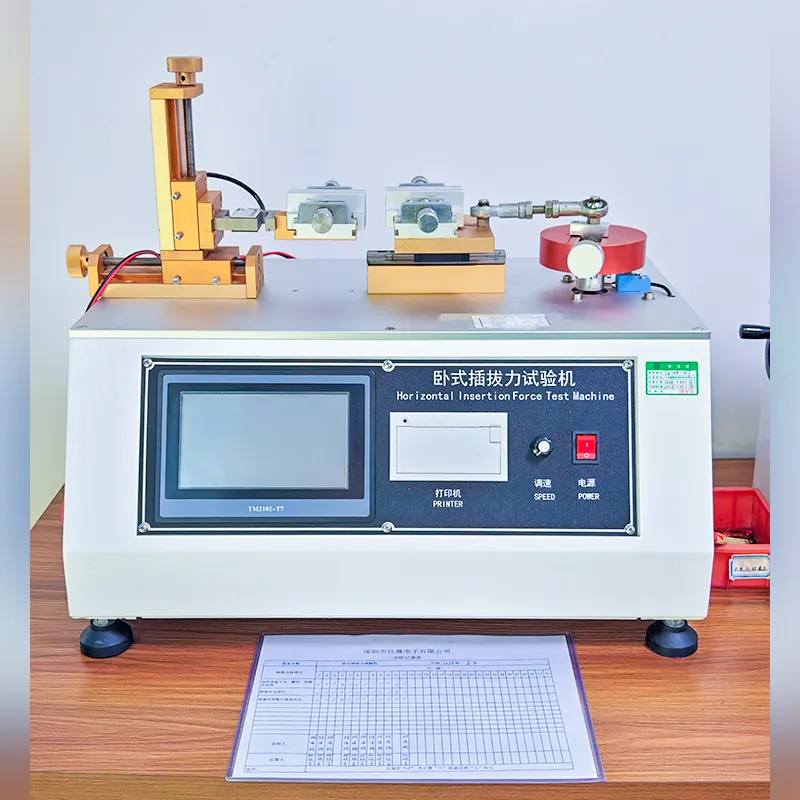
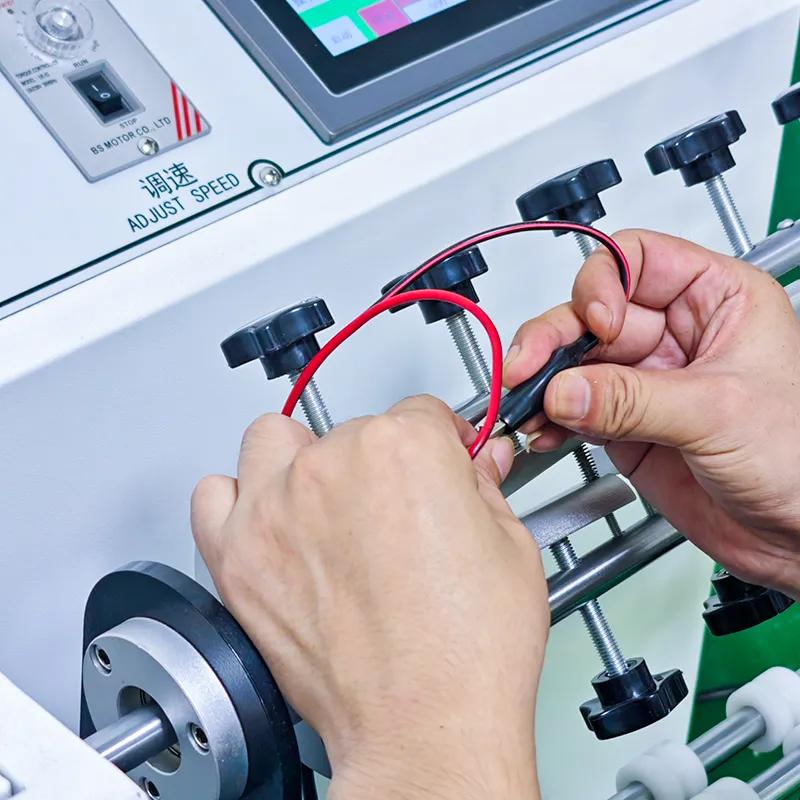
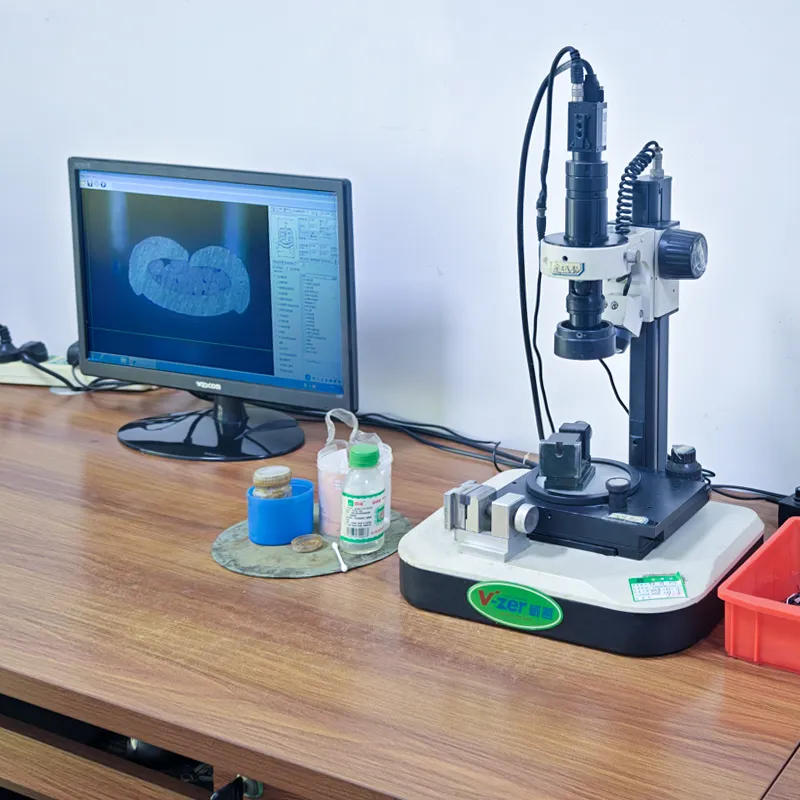
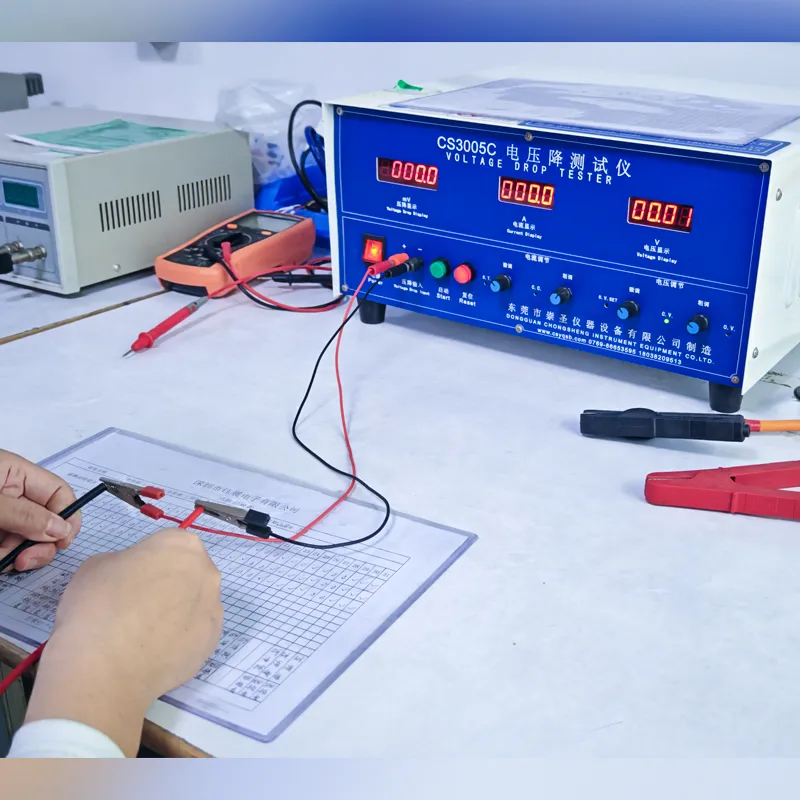
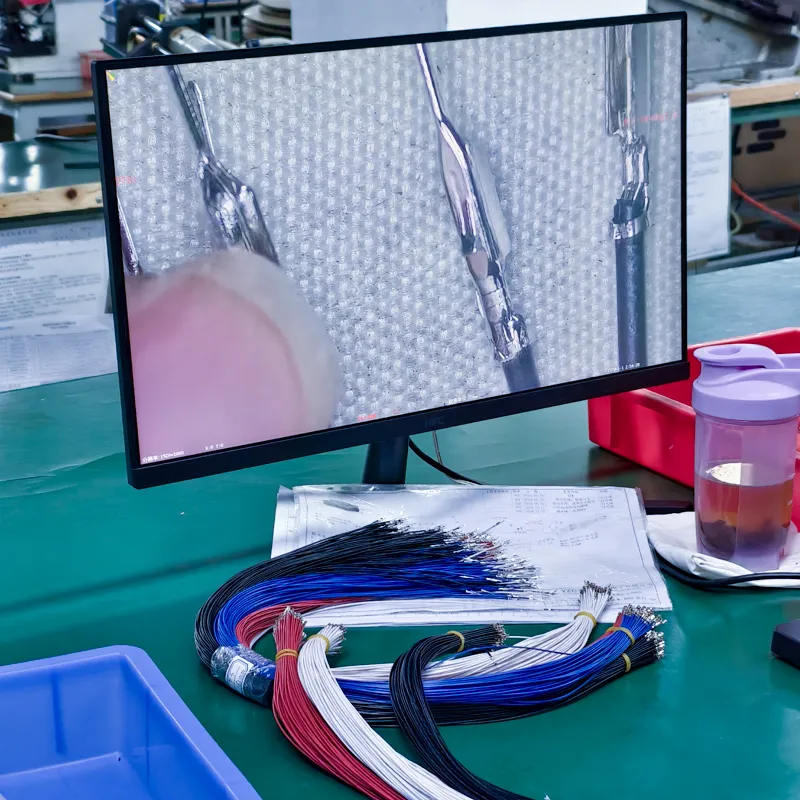
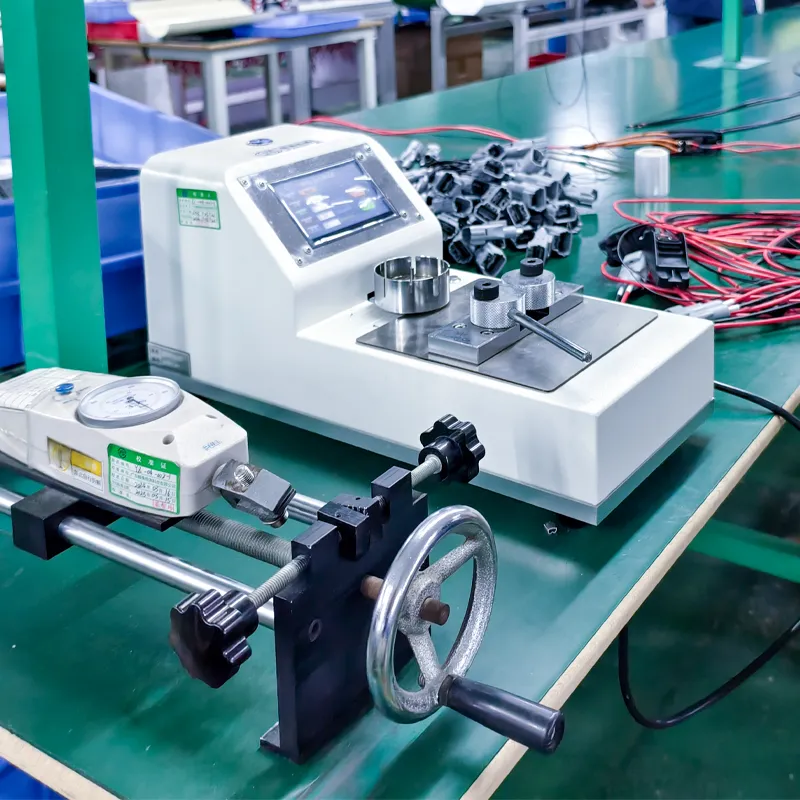
100% real on-site photos. Video inspection available upon request
100% real on-site photos. Video inspection available upon request
Common Questions
A wire harness tester is the controlled electrical test method used to verify continuity, shorts, miswires, insulation performance, or other defined pass-fail criteria on a finished harness. In production, the real value is not the machine alone. It is the combination of tester program, fixture interface, acceptance windows, and revision control.
The general testing page explains the range of quality checks we can perform. This wire harness tester page is more specific: it focuses on how tester programs, fixtures, and validation records are created and managed so repeat production runs against the right electrical definition.
The fastest quote includes the released drawing, net list or pinout table, connector part numbers, target quantity, required tests, acceptance limits, and any existing tester revision or golden sample information. Legacy fixture photos are also useful when a program is being transferred.
Yes. Some programs only need continuity, shorts, and pinout verification, while others also require insulation resistance, hipot, shield isolation, or defined resistance windows. We match the tester method to the released risk and application requirements.
Because a harness can pass perfectly on the wrong revision. If the drawing changes and the tester does not, production may keep accepting miswired or incomplete assemblies. Tester revision control is one of the most important protections in repeat harness manufacturing.
Yes. Pilot builds are often the right moment to prove the tester path, validate fixture access, and lock approval records before scaling into recurring production.