 Wire Harnesses & Cable Assembly Manufacturer Services
Submit your request to us
Fill in your details and we’ll get back to you in 24 Hours
Search productSearch post
Coating Types
Typical Max Film
Process Control
Coverage Check
Protection Methods
Conformal coating chemistries and application approaches for cable assemblies and harnesses






Coating Expertise
Process Parameters
| Coating Thickness | 25 to 127 microns typical |
| Chemistries | Acrylic, silicone, polyurethane, epoxy, parylene |
| Temperature Range | -65°C to +200°C depending on chemistry |
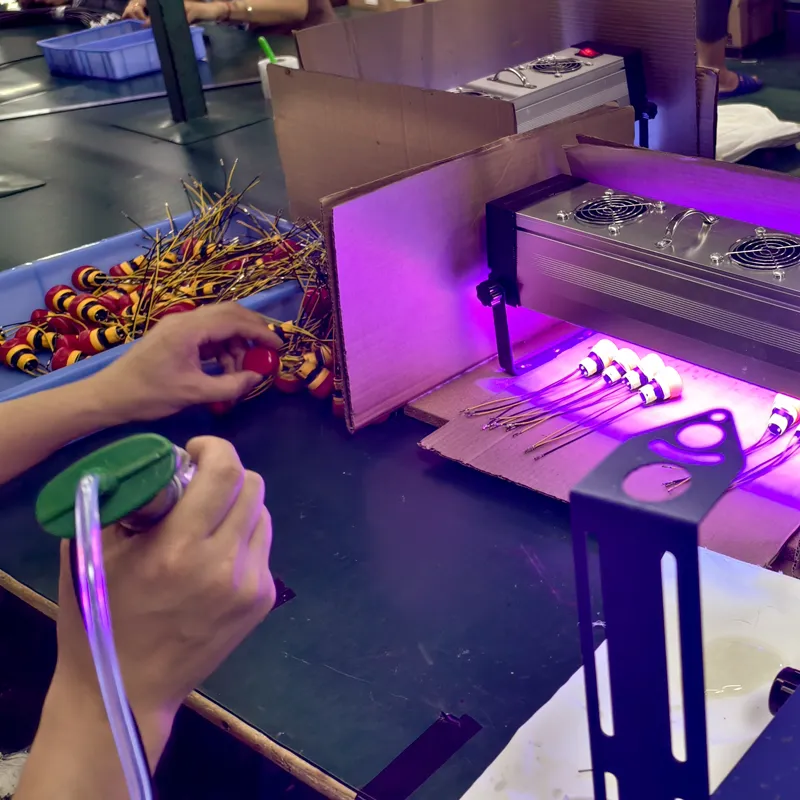
| Inspection | UV tracer and visual coverage verification |
| Reworkability | Acrylic easiest, silicone and urethane application-specific |
| Standards | IPC-CC-830, customer environmental test plans |
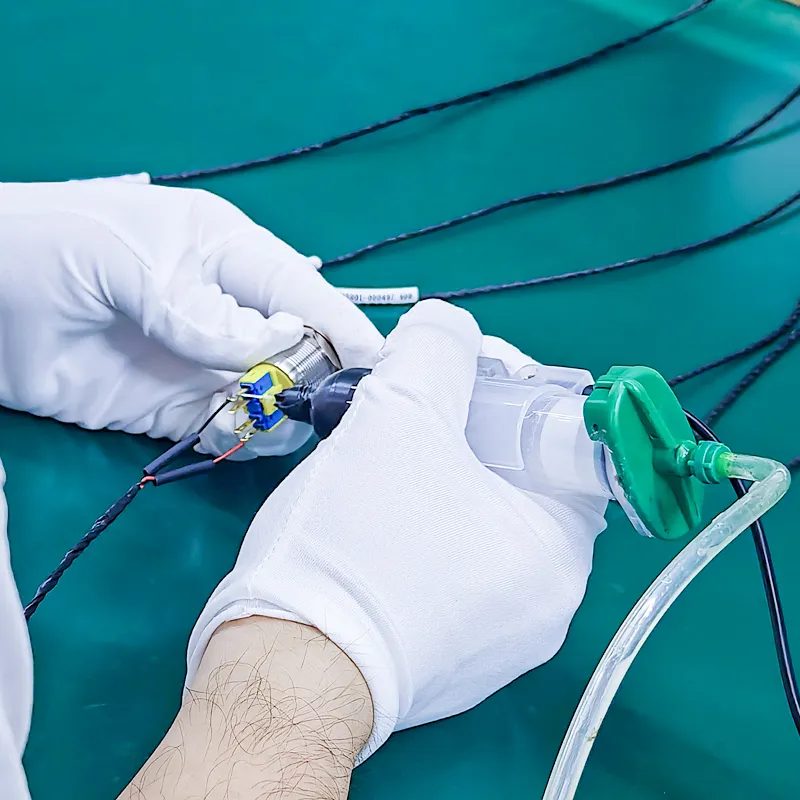
As a specialist in conformal coating,Yuzhan applies thin‑film protective coatings to wire harnesses and cable assemblies to resist moisture, corrosion, chemicals, and contamination. Unlike potting, it protects critical areas while keeping assemblies lighter, more flexible, and easier to inspect.
We offer acrylic for cost‑sensitive indoor systems, silicone for high‑heat and vibration‑prone applications, polyurethane for chemical exposure, epoxy for static insulated joints, and parylene for ultra‑thin high‑reliability coverage. These are valuable in automotive under‑hood harnesses, industrial controls, marine wiring exposed to salt spray, and medical cables requiring stringent cleanliness and reliability.
Successful harness coating involves more than chemistry—masking, surface preparation, cure control, and film inspection are equally critical. We define keep‑out zones for connector pins, gaskets, and mating surfaces, then verify coverage under UV to ensure sealing without affecting fit or electrical performance.
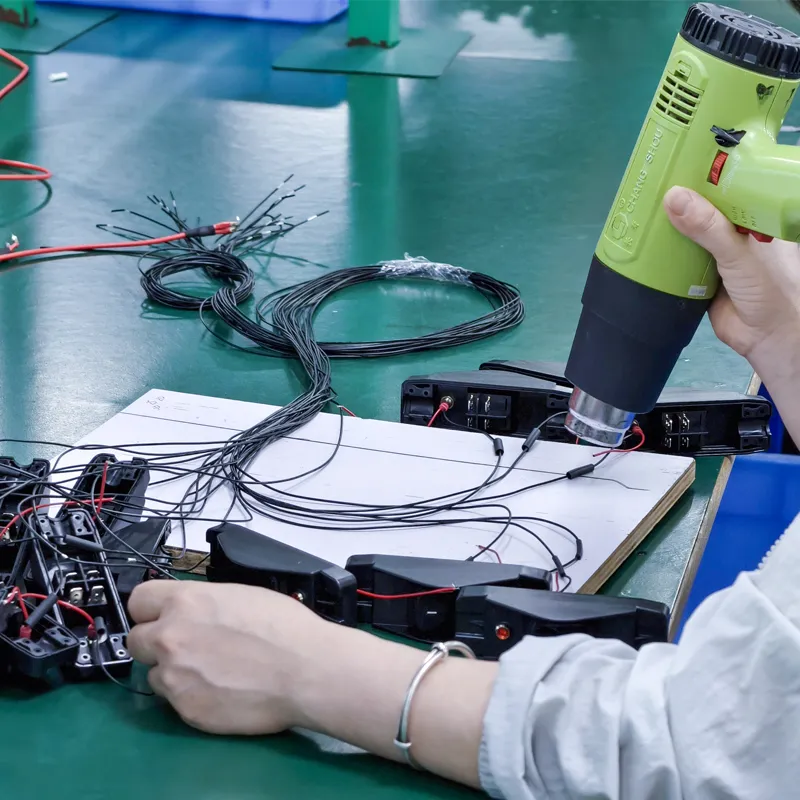
Conformal coating often works best with complementary methods. We pair it with heat shrink at cable breakouts, overmolding for strain relief, and environmental testing to confirm survival under humidity, temperature cycling, and contamination. For permanent sealing beyond thin films, we also offer encapsulation.
f full potting is too heavy, too permanent, or too costly, conformal coating provides a balanced middle ground. Contact us to discuss your environment, coating selection, and validation plan.
Display
100% real on-site photos. Video inspection available upon request
100% real on-site photos. Video inspection available upon request
Common Questions
Conformal coating is used when a harness needs added protection from humidity, condensation, salt spray, chemicals, or corrosion but still must remain lightweight, flexible, and visually inspectable. It is especially useful at splices, solder joints, and connector-to-wire transition zones.
Conformal coating adds a thin protective film while preserving flexibility and allowing rework. Potting fills cavities with compound for maximum sealing but usually prevents rework. Overmolding adds molded thermoplastic for strain relief and cable-entry sealing. The right choice depends on the environment, serviceability, and weight constraints.
Yes. We can coat assembled harnesses after electrical assembly, provided the required masking plan is defined for connector contacts, sealing interfaces, and any no-coat zones. Selective application is often the best option for mixed-geometry harnesses.
Silicone is commonly selected for automotive under-hood and thermal cycling because it remains flexible across a wide temperature range. Polyurethane is often preferred for industrial and marine environments with solvent or chemical exposure. We review temperature, fluids, rework needs, and bend requirements before recommending a chemistry.