 Wire Harnesses & Cable Assembly Manufacturer Services
Submit your request to us
Fill in your details and we’ll get back to you in 24 Hours
Search productSearch post
Capable
Available
Certified
Inspection
Termination Methods
Soldering capabilities for wire harness and cable assembly






Soldering Capabilities
| Standards | IPC J-STD-001, IPC-A-610 |
| Wire Range | 30 AWG to 10 AWG typical |
| Solder Types | Lead-free (SAC305) and leaded (Sn63/Pb37) |
| Flux Types | No-clean, water soluble, rosin |
| Classes | Class 1, 2, and 3 workmanship |
| Inspection | Visual magnification, pull checks, continuity testing |
IPC J-STD-001 certified, Yuzhan offers hand soldering, splice soldering, and crimp+solder hybrid joints for wire harnesses and cable assemblies. Technicians are trained to IPC Class 1, 2, and 3 workmanship standards.
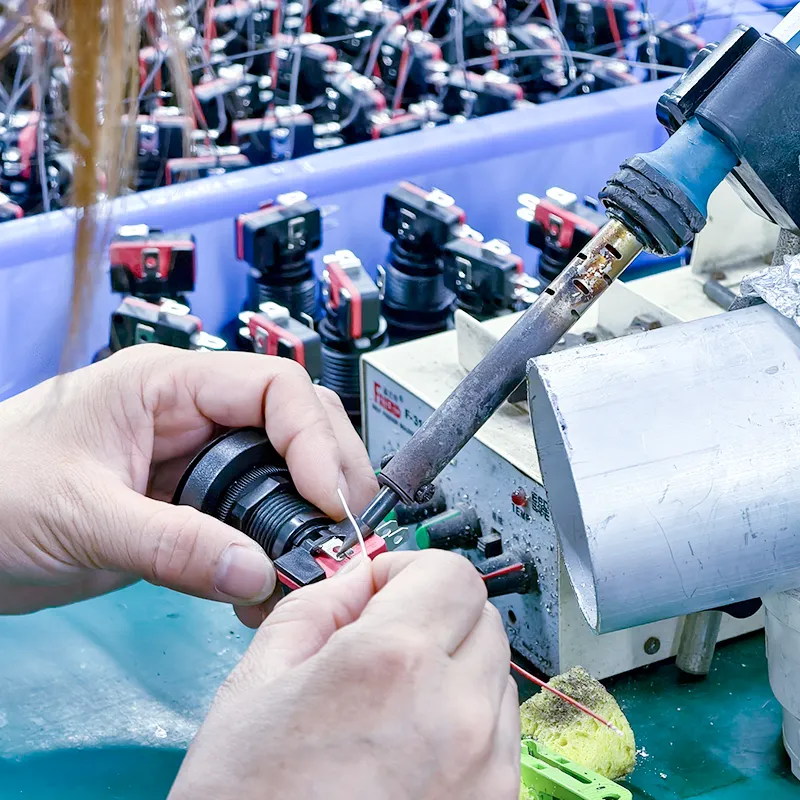
Hand soldering expertise covers connector contacts, coaxial RF connectors, terminal cups, solder lugs, in-line splices, shield drains, and heavy-gauge terminations. Controlled techniques prevent wicking, cold joints, insulation damage, and loss of strain relief.
Both lead-free (SAC305, RoHS compliant) and leaded (Sn63/Pb37) soldering options are available per application requirements. Aerospace/defense often specify leaded for reliability; consumer electronics typically require RoHS lead-free.
Inspection includes visual with magnification per IPC, pull checks where applicable, insulation clearance review, and verification of wetting and conductor condition. Heat-shrink, sleeves, boots, and other insulation recovery methods protect completed joints from handling and environmental exposure. Testing verifies electrical performance after soldering.
Soldering complements our crimping and ultrasonic welding capabilities for complete termination options, including approved crimp+solder hybrids and welded terminal connections. All harness processes follow IPC/WHMA-A-620 workmanship standards. Contact us for soldering quotes for your wire harness and cable assembly requirements.
Display
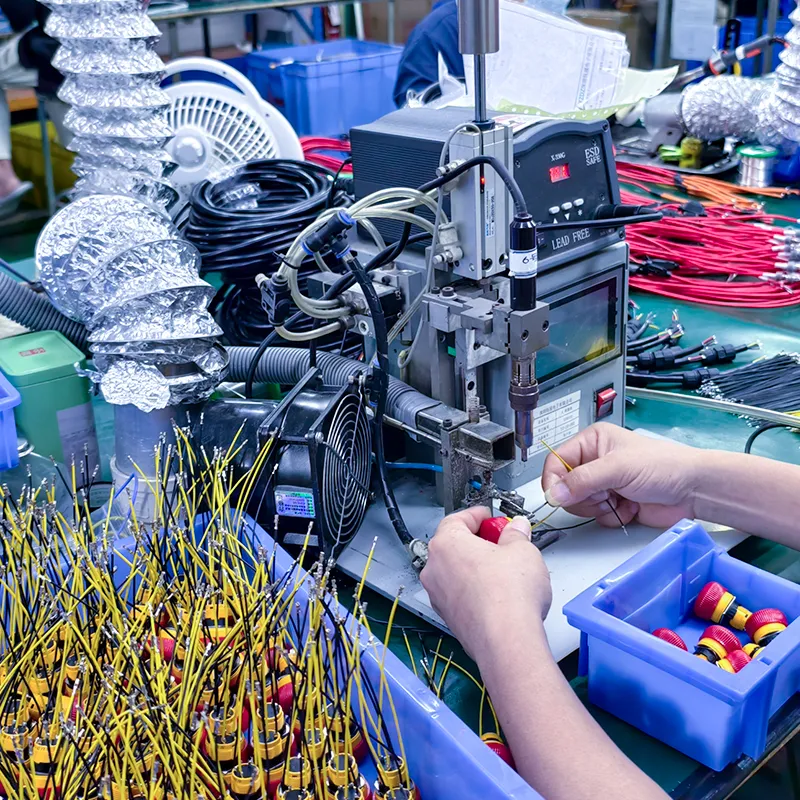
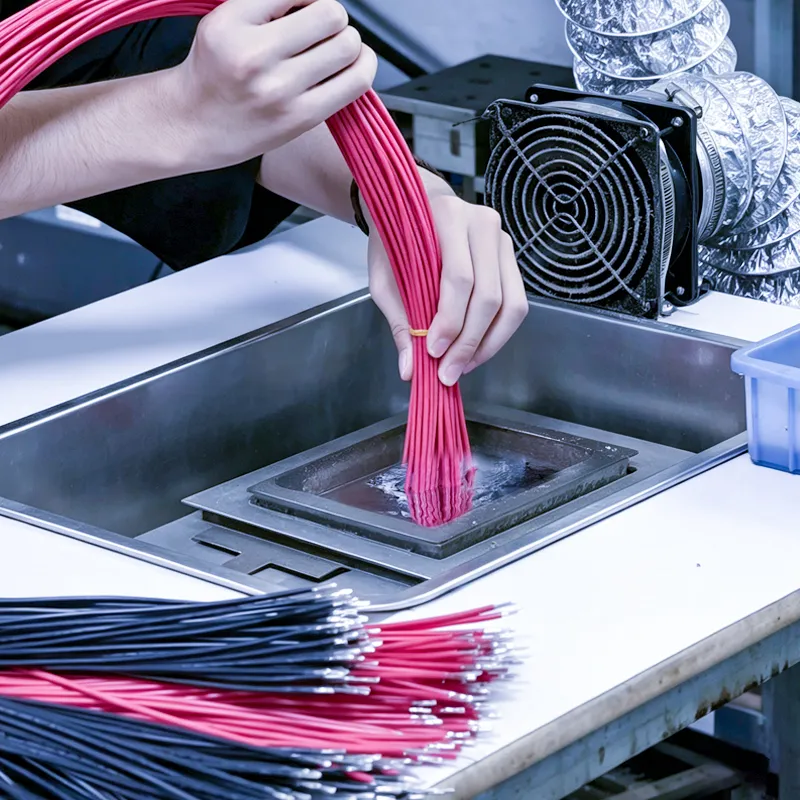
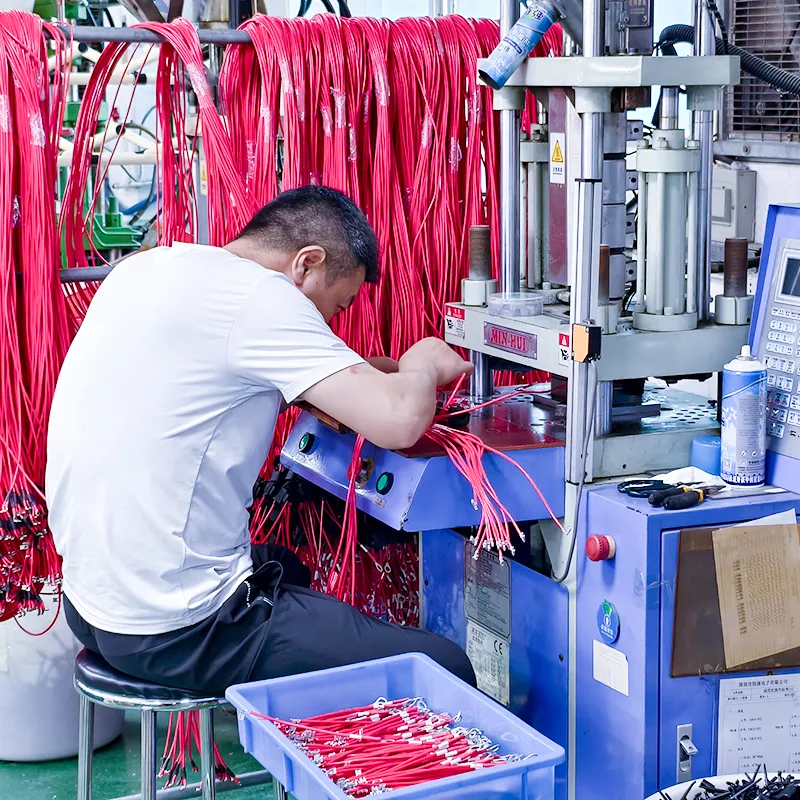
100% real on-site photos. Video inspection available upon request
100% real on-site photos. Video inspection available upon request
Common Questions
We follow IPC J-STD-001 for soldering processes and IPC-A-610 for acceptance criteria. Our technicians are trained and certified to these standards. We can work to Class 1, 2, or 3 requirements.
Yes, we offer lead-free soldering using SAC305 and other RoHS-compliant alloys. We also maintain leaded soldering capability for applications where lead-free is not required or practical.
Yes, we have extensive experience soldering RF and coaxial connectors. Proper techniques ensure good center conductor joints without damaging the dielectric or affecting RF performance.
We use visual inspection with magnification per IPC standards, pull checks where applicable, and electrical testing after soldering. Splices and terminations are checked for wetting, insulation clearance, strain relief, and conductor damage.