 Wire Harnesses & Cable Assembly Manufacturer Services
Focus on one-stop solutions
for wire harness
Premier Wiring Harness integration & Customization manufacturing
TRUSTED BY 500+ WORLDWIDE BRANDS OVER OUR 20-YEAR JOURNEY
Search productSearch post
Premier Wiring Harness integration & Customization manufacturing
TRUSTED BY 500+ WORLDWIDE BRANDS OVER OUR 20-YEAR JOURNEY
A. In‑depth Analysis of High‑Voltage Wiring Harness Costs
(I) Cost Composition Model
(II) Cost‑Sensitive Factors
B. High‑Voltage Wiring Harness Quotation Process and Key Control Points
(I) Standardized Quotation Process
(II) Key Links in Cost Control
C. Systematic Cost Reduction Solutions and Practical Cases
(I) Optimization of High‑Voltage System Architecture
(II) Harness Layout and Material Optimization
(III) Production Process Innovation
D. Supply Chain Collaboration for Cost Reduction
F. About Us – Shenzhen Yuzhan Electronics – Wire Harnesses & Cable Assembly Manufacturer Services
With the rapid development of the new energy vehicle (NEV) market, high-voltage wiring harnesses, as critical components for energy transmission, have seen their cost control and optimization become a key focus for automakers to enhance market competitiveness. Experts in the wiring harness field have conducted in-depth analysis from three perspectives: cost structure, quotation processes, and cost-reduction strategies. Combining industry best practices and technological innovation, they provide a comprehensive and systematic overview of lifecycle management methods for high-voltage harnesses.
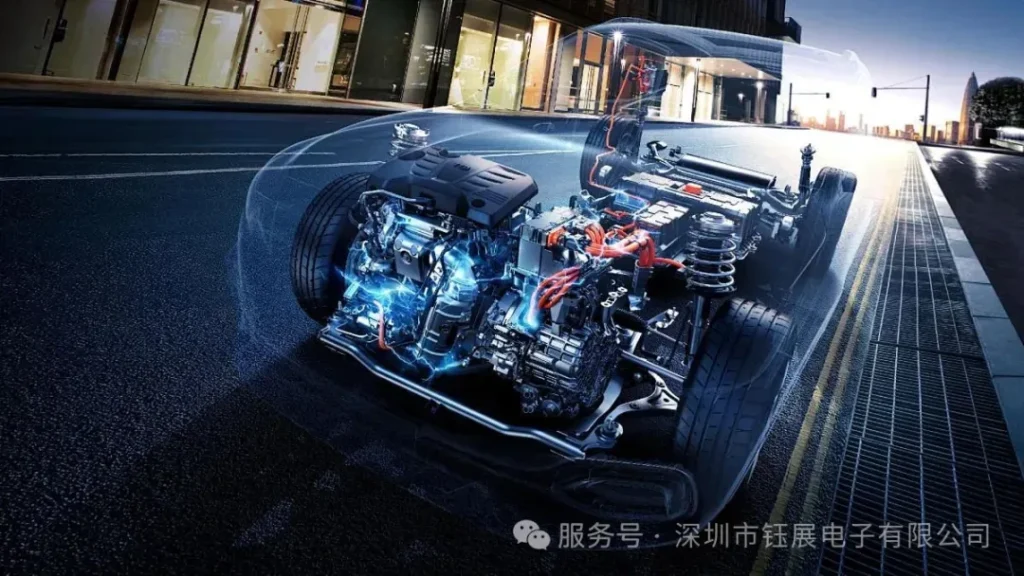
The total cost of high-voltage wiring harnesses consists of material costs (accounting for 73.8%), processing fees (14.7%), packaging and transportation fees (2%), and profit and management fees (9.5%). Among these, material costs dominate, specifically including:
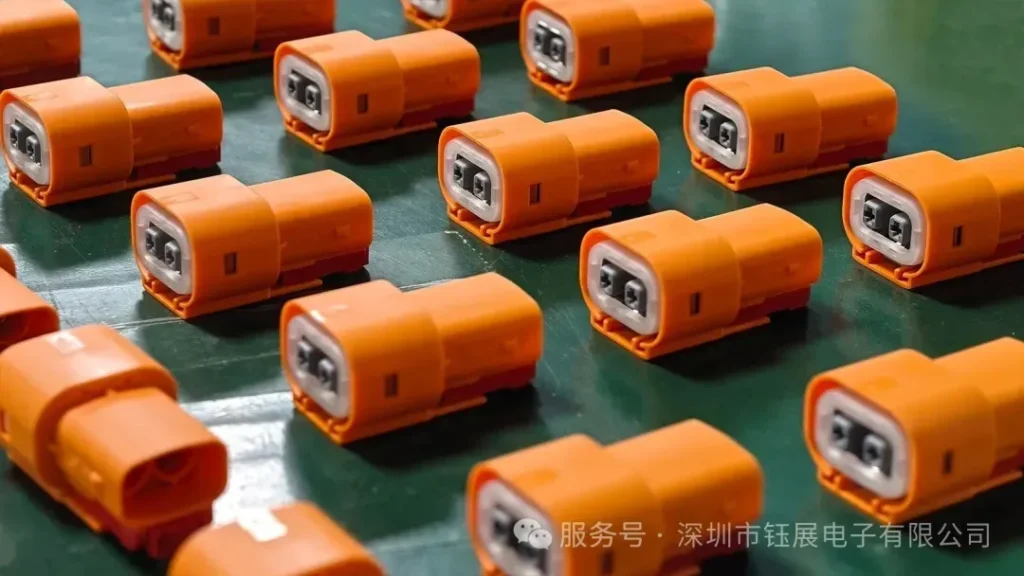
1. High-voltage connectors (55%): Responsible for electrical connections and signal transmission, the price difference between foreign brands (e.g., TE) and domestic alternatives can reach 30%.
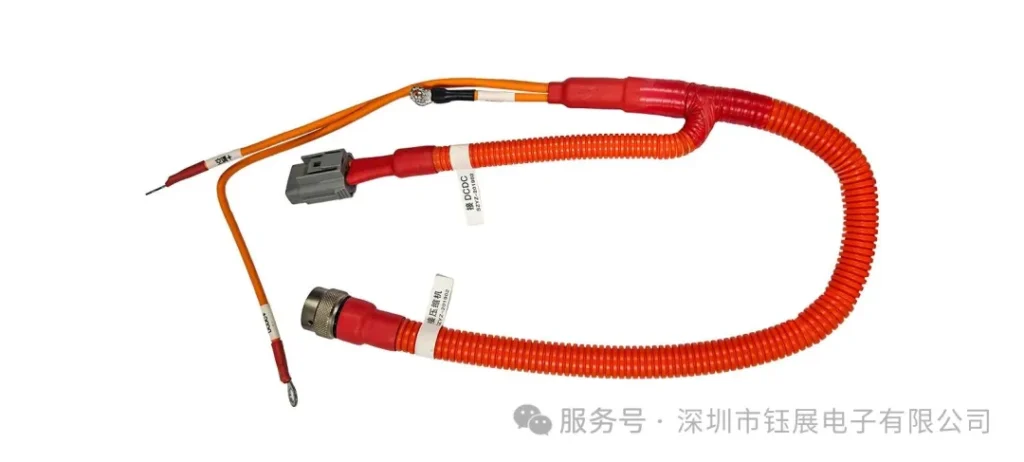
2. High-voltage cables (35%): Copper conductor materials dominate, with cross-sectional areas ranging from 16-150mm². Costs increase exponentially with larger wire diameters. For example, a 50mm² cable costs approximately 50-80 RMB per meter.
3. Sheathing materials (6%): Including corrugated tubes, heat-shrink tubing, etc., which require a temperature resistance rating of at least 150°C. Although their cost proportion is low, they significantly impact protective performance.
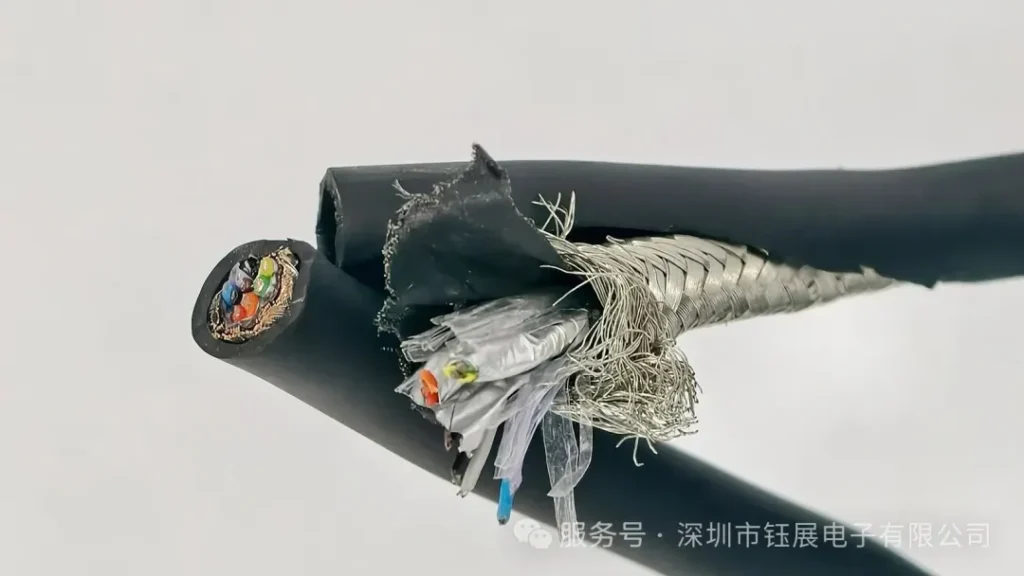
4. Other auxiliary materials (4%): Including shielding layers (aluminum foil + braided copper mesh), protective plates, etc. Material selection directly affects EMC performance.
The varying proportions and characteristics of these material costs collectively form the foundational framework of high-voltage wiring harness costs. From a cost-control perspective, since high-voltage connectors exhibit significant price disparities among brands, enterprises should weigh the pros and cons of foreign and domestic brands based on actual needs and budgets when making selections.
For high-voltage cables, given that costs increase exponentially with larger wire diameters, it is essential to precisely calculate the required wire gauge during design and selection to avoid unnecessary over-specification. Although the cost proportion of sheathing materials is relatively low, their impact on protective performance is critical; thus, quality standards should not be compromised for cost considerations. The crucial role of other auxiliary materials in EMC performance also demands strict control in material selection to ensure the overall performance of the high-voltage wiring harness meets standards.
Additionally, enterprises must reasonably manage other cost components such as processing fees, packaging and transportation expenses, and profit and administrative fees during production and operations to achieve effective cost management and optimization of high-voltage wiring harnesses.
1. Harness Length: By optimizing the fast-charging harness length for a certain vehicle model from 4 meters to 2.5 meters, costs were reduced by 260 yuan.
2. Connector Quantity: Through optimization of the high-voltage system architecture, reducing 4 connectors resulted in a cost reduction of 730 yuan.
3. Process Complexity: Adopting ultrasonic welding instead of crimping processes improved efficiency by 15%, despite a 20% increase in equipment investment.
4. Cable Material: Selecting a new lightweight cable material with excellent conductivity slightly increased initial procurement costs. However, it reduced the overall harness weight, lowering transportation and installation costs, thereby effectively saving costs in the long run.
5. Protection level requirements: The higher the protection level, the greater the cost of cladding materials and other auxiliary materials. Therefore, it is crucial to reasonably determine the protection level to avoid cost increases caused by over-protection.
6. Design redundancy:In high-voltage wiring harness design, excessive redundancy leads to increased material usage and processing costs. By reasonably evaluating the actual operating conditions and electrical requirements of the vehicle, unnecessary redundant designs can be eliminated, effectively reducing costs.
7. Production scale: During large-scale production, raw material procurement costs and processing fees decrease due to economies of scale. Enterprises should optimize production planning to increase production scale and reduce unit costs.
8. Market supply-demand relationship: When the supply of raw materials or components related to high-voltage wiring harnesses is tight and demand is strong, prices tend to rise, increasing costs. Conversely, when supply exceeds demand, costs may decrease. Enterprises must closely monitor market dynamics and arrange procurement plans appropriately to cope with cost fluctuations caused by changes in supply and demand.
9. Regional factors: Differences exist in raw material prices, labor costs, and transportation costs across regions. For example, production near raw material sources can reduce procurement and transportation costs, while establishing factories in regions with lower labor costs can minimize labor expenses. Enterprises should comprehensively consider regional factors to optimize production layouts and reduce costs.
1. During the requirement confirmation phase, obtain the vehicle electrical schematic diagram, 3D wiring layout, and technical parameters (including voltage level, current load, etc.)
2. Define core indicators, such as protection level (IP67/IP6K9K), EMC shielding effectiveness (≥85%), etc.
3. Utilize CATIA software for 3D wiring simulation to avoid mechanical interference and optimize routing, with the goal of reducing harness length by 10%-15%.
4. Select connector models (e.g., HVP800 series) and cable specifications, and accordingly formulate the BOM list.
5. Conduct cost accounting, including:
(1) Material cost: Calculated based on the unit price of cables (e.g., 50mm² copper cable at 70 RMB/meter) and the unit price of connectors (domestic products approximately 150 RMB/set).
(2) Processing fee: Priced according to the process, including crimping (0.5 RMB/point), shielding treatment (1.2 RMB/meter), etc.
(3) Additional costs: Including packaging and transportation (3-5 RMB/set), testing and certification (e.g., QC/T 1037 testing fee approximately 5000 RMB/batch).
(4) Management cost: Covers salaries of enterprise management personnel, office expenses, etc., proportionally allocated to each wiring harness product, accounting for approximately 5%-8% of the total cost.
(5) Profit: Enterprises set an appropriate profit margin based on market conditions and their own development strategies, typically ranging from 10%-20%
Add up all the above costs, then multiply by (1 + profit margin) to obtain the final cost accounting price for each high-voltage wiring harness.
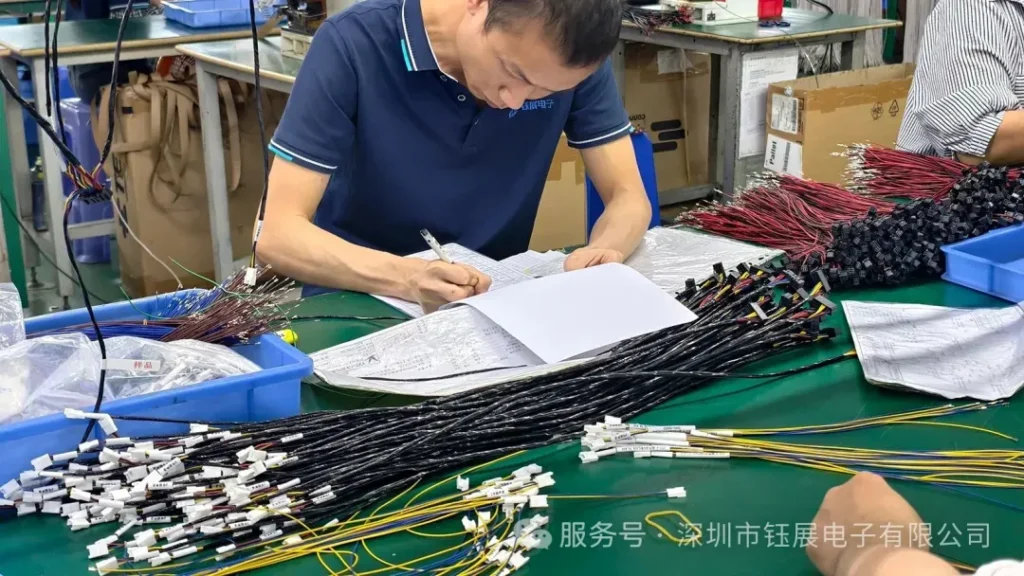
6. Comprehensive quotation output: Provide a detailed itemized quotation and reserve a 5%-10% margin for engineering changes.
1. Design Collaboration: Conduct joint reviews with OEMs to avoid redundant design features (e.g., merging HVH and PTC functions to save approximately 1.5 meters of wiring harness).
2. Supplier Management: Establish a certification system for domestic connector alternatives (such as Ebusbar) to replace TE products, reducing procurement costs by 25%.
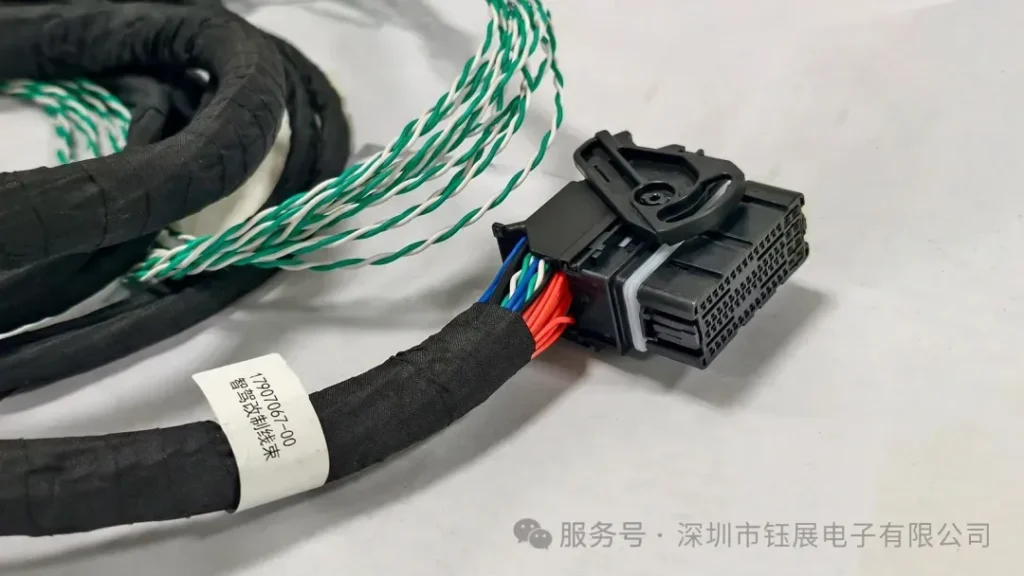
3. Process Validation: Optimize crimping parameters (pressure: 3-5 tons, holding time: 0.5 seconds) through DOE testing to increase yield to 99.5%.
4. Inventory Management: Optimize inventory strategies to reduce overstock costs. Based on sales forecasts and production plans, reasonably control raw material and finished goods inventory levels to minimize capital occupation. Strengthen inventory audits and monitoring to promptly address slow-moving and obsolete stock.
5. Production Process Optimization: Thoroughly streamline and optimize production processes by eliminating unnecessary steps and procedures to enhance efficiency. For example, adopt advanced automation equipment and production techniques to reduce manual intervention and lower labor costs.
6. Quality Control: Strengthen quality control to minimize defects and waste. Implement a rigorous quality inspection system to monitor the entire process from raw material procurement to finished product delivery, ensuring compliance with standard requirements and avoiding cost increases due to quality issues.
7. Continuous Improvement: Establish a continuous improvement mechanism to regularly evaluate and analyze cost control effectiveness. Adjust cost control strategies and measures based on assessment results, while continuously exploring new methods and approaches to reduce costs.
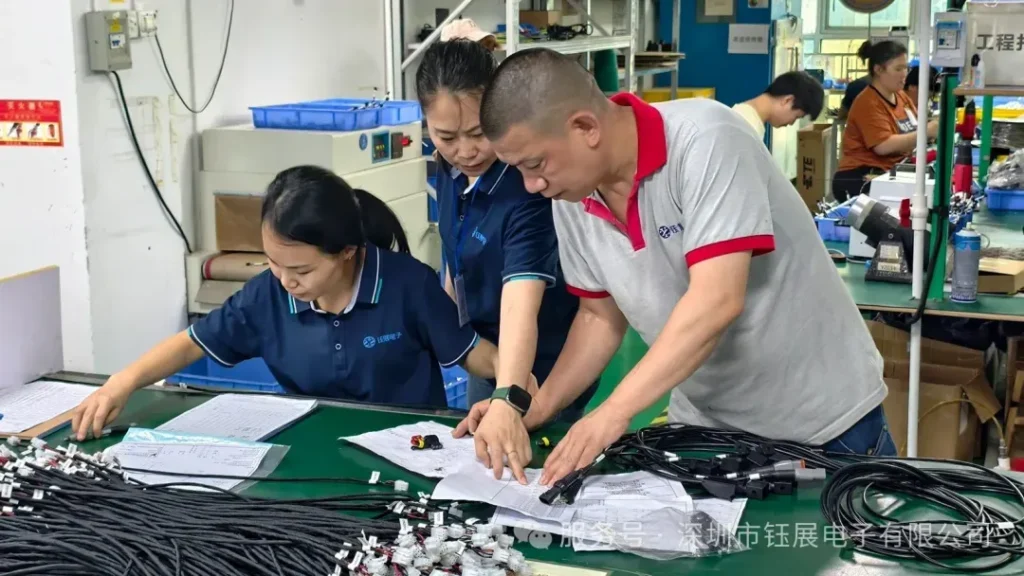
1. Module Integration: Integrating the PDU (High-Voltage Power Distribution Box) with the IPU (Inverter) reduces the use of 1.5m 50mm² cables and 2 pairs of φ8mm terminals, lowering costs by approximately 400 RMB per set.
2. Function Consolidation: Combining the HVH (Battery Heating) and PTC (Passenger Heating) circuits saves 1.5m of 3mm² wiring harness and 2 pairs of connectors, reducing costs by 130 RMB.
3. Architecture Simplification: Streamlining redundant structures in the high-voltage system eliminates unnecessary electrical nodes and branches, reducing wiring harness length and connection components, with an estimated cost reduction of about 200 RMB per set. Additionally, optimizing circuit layout enhances overall system stability and reliability while lowering long-term maintenance costs.
1. Topology Reconstruction: Relocated the fast-charging port from the rear quarter panel to the front fender, reducing the harness length from 4m to 2.5m and cutting costs by 260 RMB.
2. Scientific Wire Gauge Selection: Based on thermal simulation (ΔT ≤ 55K) and current-carrying capacity calculations, optimized the fast-charging cable from 70mm² to 50mm², reducing per-vehicle costs by 200 RMB.
3. Localization Substitution: Adopted Luxshare HVP800 connectors to replace TE products of the same specifications, lowering unit price from 220 RMB to 150 RMB, a 32% reduction.
4. Material Upgrade: Utilized new lightweight harness materials with excellent conductivity, reducing harness weight by approximately 15% while maintaining performance. Due to lower material costs and indirect benefits from reduced vehicle energy consumption, overall costs were reduced by about 180 RMB per vehicle.
5. Wiring Optimization: Replanned the routing of in-vehicle harnesses to avoid crossing and tangling, minimized bend radii and the number of fixation points, and reduced manufacturing and installation complexity. This is expected to lower costs by approximately 120 RMB per vehicle while improving harness reliability and maintainability.
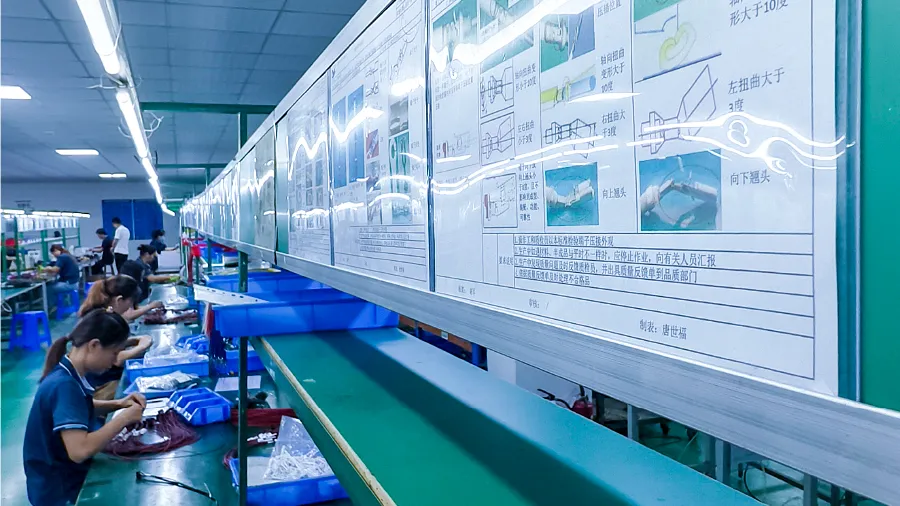
1. Automation Upgrade: Introduced a six-axis robotic wiring system to reduce manual intervention, increasing production efficiency by 40% and lowering labor costs by 25%.
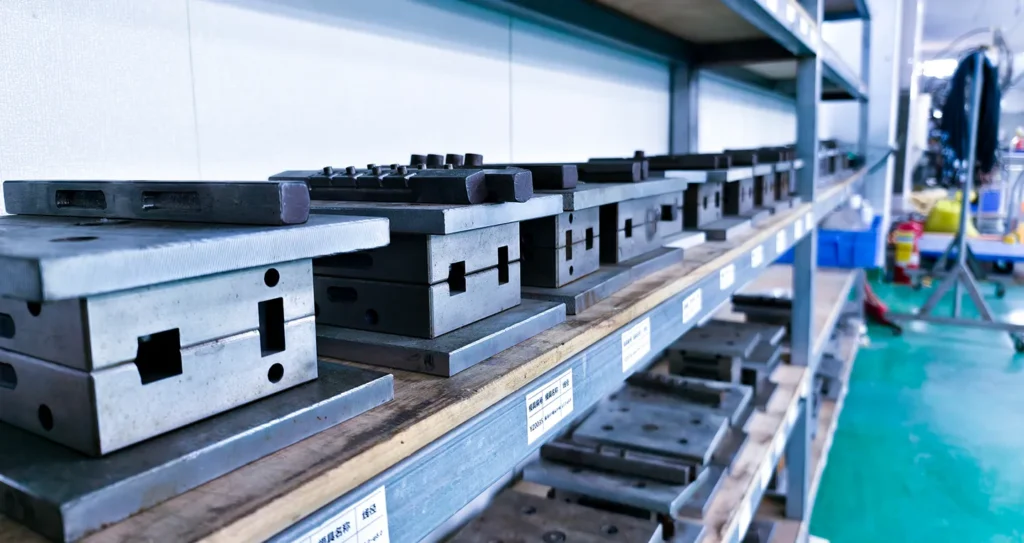
2. Platform-Based Design: Standardized the panel cutout dimensions for battery packs to ensure compatibility with both TE and Luxshare connectors, reducing mold costs by 50%.
3. Integrated Production: Consolidated multiple wiring harness components through integrated design and production, reducing part counts and assembly steps. This shortened the production cycle by 30% and lowered equipment and facility costs by 20%.
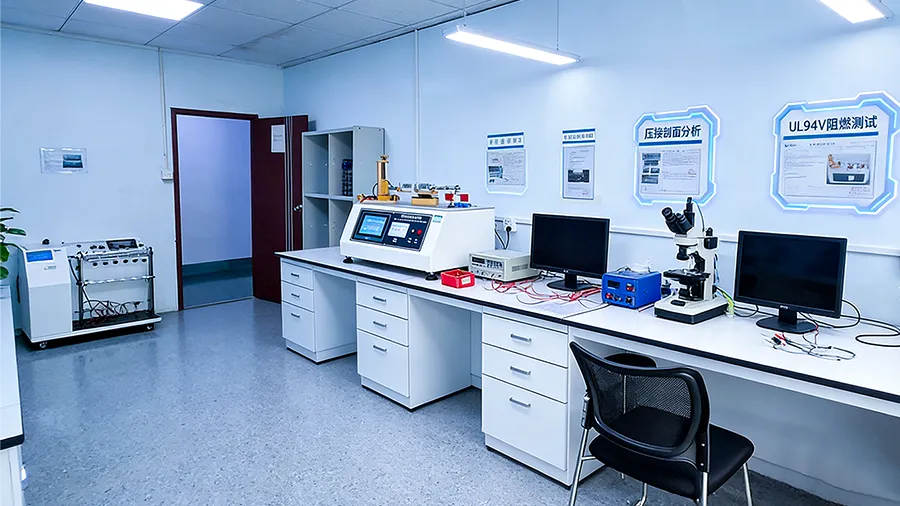
4. Intelligent Inspection: Adopted advanced smart inspection equipment capable of rapidly and accurately testing various performance metrics of wiring harnesses, improving inspection efficiency by 50% and reducing inspection costs by 30%
1. VAVE Value Engineering: Collaborated with suppliers to develop an integrated charging socket, eliminating one set of flange molds and reducing costs by 8 RMB per unit.
2. Bulk Procurement: Streamlined connector types from 200 to 6 through platform-based design, cutting procurement costs by 18%.
3. Logistics Optimization: Worked with logistics providers to refine transportation solutions, adopting more efficient packaging and shipping methods, reducing logistics costs by approximately 10%.
4. Joint R&D: Established long-term cooperative R&D mechanisms with key suppliers to jointly invest in new wiring harness materials and processes, projected to lower wiring harness material costs by 15% within the next three years.
The cost management of high-voltage wiring harnesses for new energy vehicles is a systematic project that requires multi-dimensional collaborative optimization from design, manufacturing, and supply chain perspectives. Through strategies such as architectural integration, domestic substitution, and process upgrades, a cost reduction of 15%-20% per wiring harness can be achieved. In the future, with the application of material innovations and intelligent technologies, high-voltage wiring harnesses will continue to evolve toward lightweight and high-integration directions, providing stronger cost competitiveness for the widespread adoption of new energy vehicles.
(Note: The data and case studies in this article are referenced from publicly available industry research and corporate practices. Specific parameters should be based on actual project requirements.)
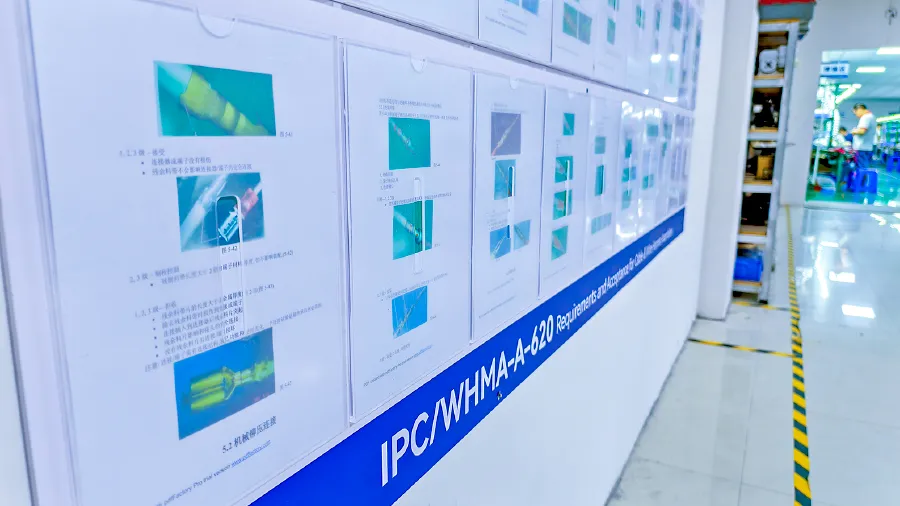
Shenzhen Yuzhan Electronics, founded in 2007, is a highly capable manufacturer specializing in high-quality customized wiring harness integration, providing one-stop integrated wiring harness solutions for globally renowned brands.
Yuzhan Electronics holds multiple invention patents and technical achievements, backed by 17 years of industry expertise in engineering development and production management. Equipped with a comprehensive production system, advanced manufacturing, and testing facilities the company has obtained ISO 9001, IATF 16949 management system certifications, as well as international approvals including 3C, UL, CSA, VDE, and CE.
The company’s products are widely used in new energy vehicles (NEVs), energy storage systems, construction machinery, smart appliances, intelligent robotics, communication networks, medical devices, precision instruments, and other industries. Its products have been exported to the U.S., Europe, Southeast Asia, South America, and other regions.
Over the next decade, Yuzhan Electronics is committed to building a high-tech, high-quality growth engine, focusing on smart energy and new energy sectors for aggressive upward expansion. Currently, the company serves industries such as NEVs, energy storage batteries, solar PV, smart robotics, smart home systems, and intelligent manufacturing
Title: Advancements in Medical Devices: Enhancing Healthcare Around the Globe Introduction Medical devices play a crucial role in the modern healthcare ecosystem, improving patient outcomes, diagnostic accuracy, and overall quality of care. Over t...
View detailsTitle: Advancements in Medical Devices: Enhancing Healthcare Around the Globe Introduction Medical devices play a crucial role in the modern healthcare ecosystem, improving patient outcomes, diagnostic accuracy, and overall quality of care. Over t...
View detailsTitle: Advancements in Medical Devices: Enhancing Healthcare Around the Globe Introduction Medical devices play a crucial role in the modern healthcare ecosystem, improving patient outcomes, diagnostic accuracy, and overall quality of care. Over t...
View details
China's new EV wiring harness standards GB/T 37133-2025 & QC/T 1067-2023 mandate terminal crimping ≤0.1mm, contact resistance ≤1mΩ, V5 vibration, IP6K9K, LCP/PA66 materials. Factories need MES, laser crimpers, environmental labs (¥500k/testers). C...
View details