 Wire Harnesses & Cable Assembly Manufacturer Services
Focus on one-stop solutions
for wire harness
Premier Wiring Harness integration & Customization manufacturing
TRUSTED BY 500+ WORLDWIDE BRANDS OVER OUR 20-YEAR JOURNEY
Search productSearch post
Premier Wiring Harness integration & Customization manufacturing
TRUSTED BY 500+ WORLDWIDE BRANDS OVER OUR 20-YEAR JOURNEY
A single wiring harness, a thousand standards—China’s automotive connector industry is undergoing an unprecedented technological transformation.
In February 2025, the GB/T 37133-2025 “High-Voltage Connection Systems for Electric Vehicles” officially came into effect, replacing the 2018 version. This updated standard expands its scope to include components such as high-voltage distribution units and high-voltage control modules, while imposing stricter requirements on material selection, design principles, and testing methods.
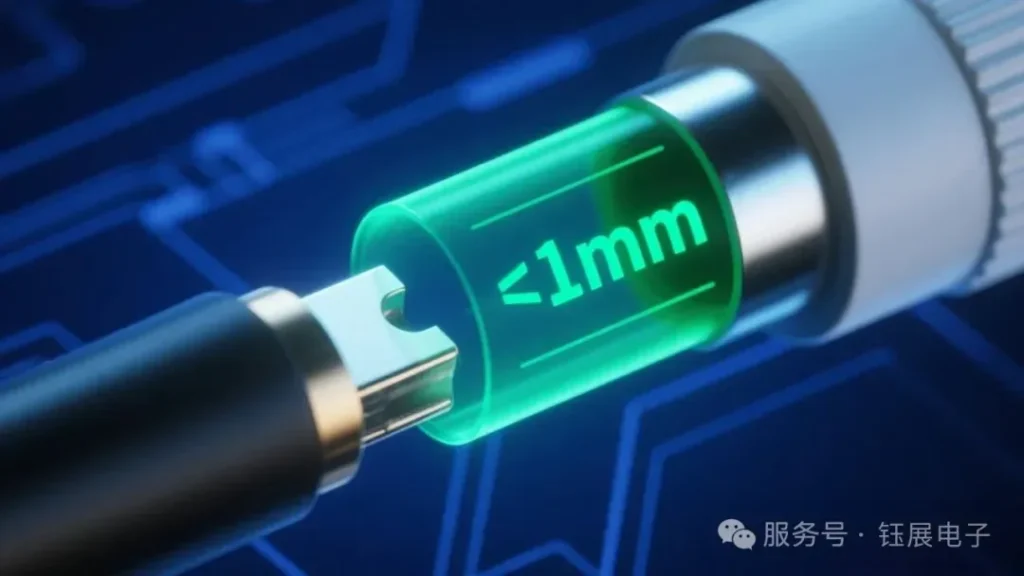
Meanwhile, the revised QC/T 1067-2023 version has updated the technical specifications for automotive wiring harnesses and connectors. It mandates that terminal crimping tolerances must be controlled within 0.1 millimeters, while the contact resistance for high-voltage terminals must not exceed 1 mΩ.
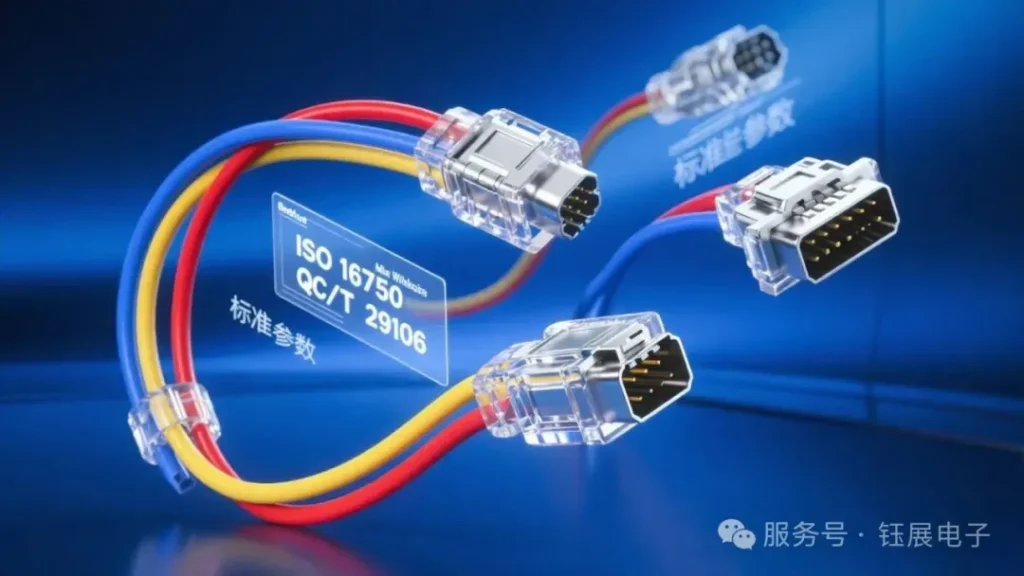
Amid the wave of vehicle electrification, the standard system for connectors and wiring harnesses is undergoing a comprehensive restructuring. As a core standard for automotive connectors in China, the QC/T 1067 series underwent significant updates in 2023, replacing the previous QC/T 417 standard. The new version establishes a complete framework covering five key technical dimensions: definition of test methods, plug terminals, wire connectors, and more.
The updated standards impose more refined requirements on production processes and quality control. For terminal crimping, the specifications now mandate precise wire stripping lengths of 5-7 mm, crimping points no more than 1 mm from the insulation edge, and a conductor fill rate exceeding 90% to prevent stress fractures.
The waterproof sealing requirements are equally stringent. Waterproof connectors must utilize silicone gaskets filled with dielectric grease, and contaminated gaskets must be mandatorily replaced. The compression set rate of these gaskets must not exceed 30%. The new standards also mandate the adoption of secondary locking mechanisms (TPA) and connector position assurance (CPA) features, increasing terminal retention force to ≥100N to significantly reduce the risk of loosening caused by vibration.
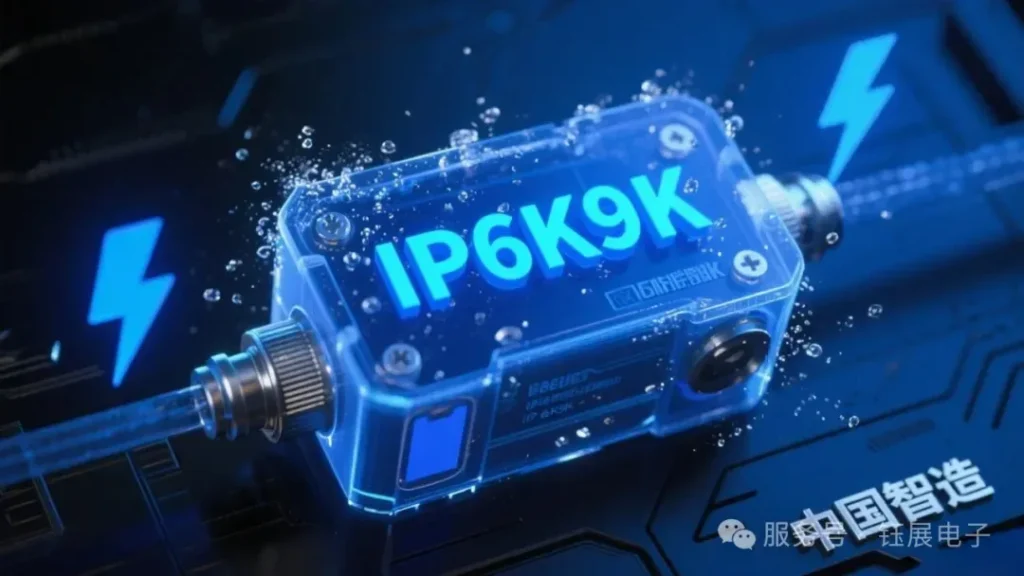
Another critical reform is the graded management of environmental adaptability. The standards classify requirements by installation location, requiring factories to customize processes accordingly: engine compartment connectors must withstand -40℃ to 150℃ (using LCP material), while cabin connectors need only endure -40℃ to 85℃ (PA66 material). For protection ratings, high-voltage areas (such as battery packs) must meet IP6K9K standards, whereas interior wiring harnesses only require IP54.
Quality inspection requirements have been comprehensively elevated under the new standards. Vibration testing is now classified into V1-V5 grades, with critical areas such as engine compartments required to pass the most stringent V5 level testing (power spectral density of 0.1 (m/s²)²/Hz). Additionally, the transient interruption time of terminal resistance during vibration is strictly limited to ≤1μs.
Enhanced Testing: The Precision Revolution in Quality ControlThe new standards have introduced comprehensive upgrades in quality inspection requirements. Vibration testing is now categorized into V1-V5 grades, with critical areas like engine compartments required to meet the most stringent V5 level (power spectral density of 0.1 (m/s²)²/Hz), while limiting terminal resistance interruptions to ≤1μs during vibration.
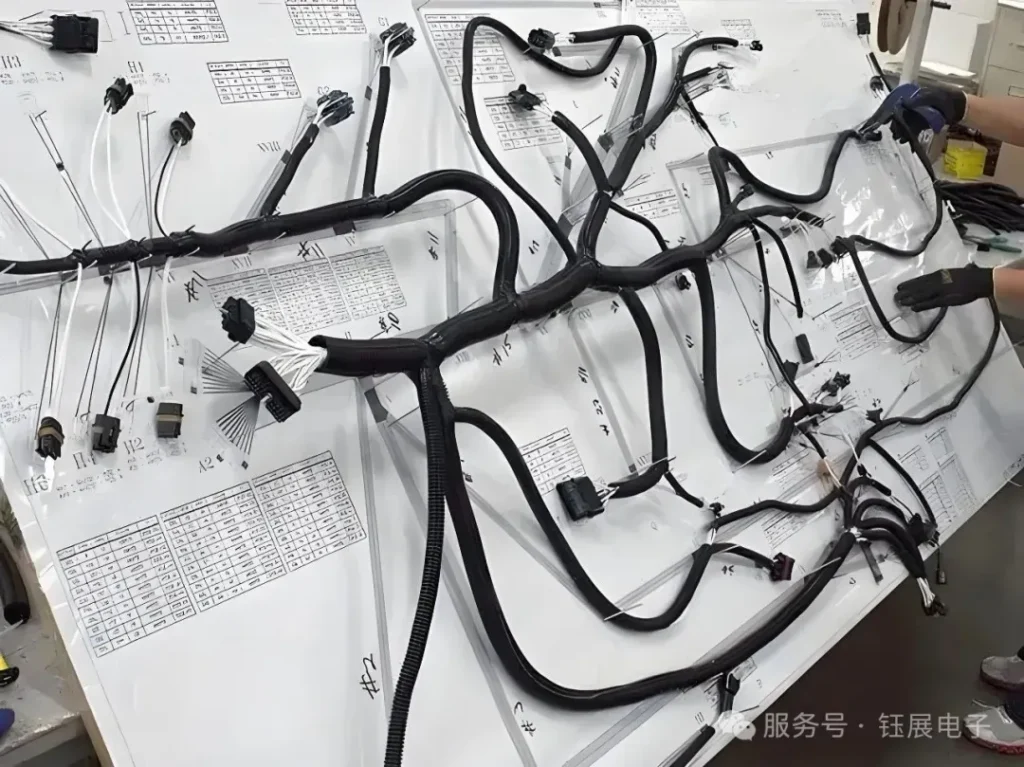
Combined environmental testing now simulates real-world usage scenarios. The updated regulations introduce cyclic “thermal aging + vibration + salt spray” testing, requiring products to maintain stable sealing performance and electrical characteristics even after 1,008 hours of aging. This multi-stress accelerated testing approach better reflects connector reliability under complex operating conditions.
The electrical performance parameters have more stringent requirements. The contact resistance standards specify: power terminals ≤1mΩ (high voltage), signal terminals ≤5mΩ, and testing must be conducted using a four-wire micro-ohmmeter. For insulation performance, the insulation resistance must be ≥100MΩ (500V DC), and the dielectric strength must withstand 1500V AC for 1 minute without breakdown.
To meet the new testing requirements, the factory needs to equip high-precision instruments: a micro-ohmmeter (for contact resistance), a vibration test bench (V5 grade), an airtightness tester (for IP verification), and a thermal imager (for temperature rise monitoring). These investments significantly increase the company’s operating costs, with a single vibration tester alone costing nearly 500,000 yuan.

The new standards are driving a comprehensive upgrade of production line hardware. High-precision crimping equipment has become essential, requiring the procurement of crimping machines with laser calibration to ensure terminal crimping tolerances of ≤0.1mm, along with integrated in-line resistance detection. Traditional manual operations can no longer meet the precision requirements.
Environmental simulation laboratories have become standard. Factories must establish temperature-humidity-vibration combined test chambers capable of -40℃ to 150℃ thermal cycling and random vibration spectrum simulation. Such equipment can verify product performance stability under extreme conditions, preventing recall risks caused by inadequate environmental adaptability.
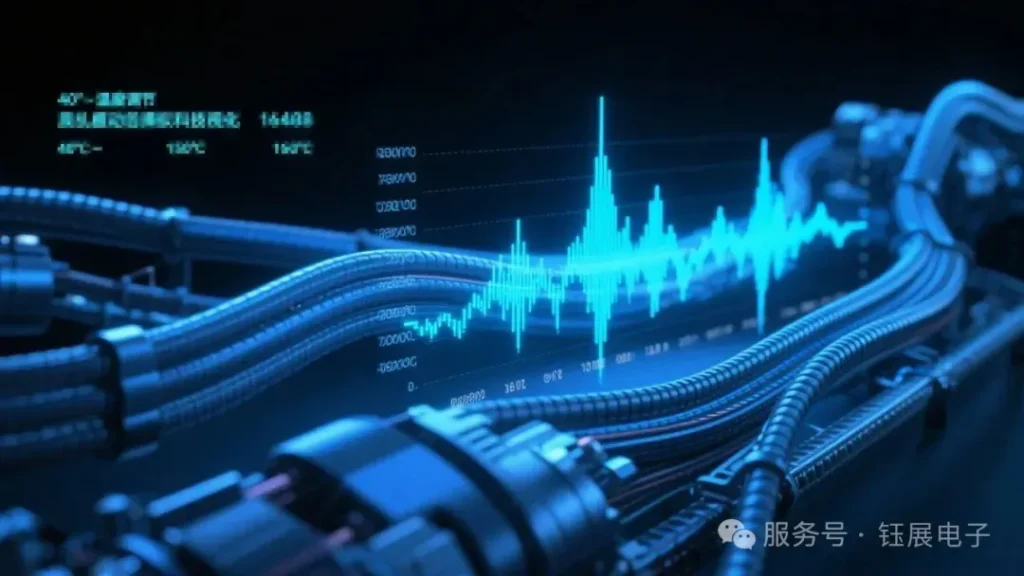
Automated assembly lines are rapidly proliferating. For high-voltage connector assembly processes, the standards require precise torque control within 0.6-1.2 N·m range for screw tightening while activating high-voltage interlock (HVIL) functions. These precision operations are increasingly being replaced by robots to ensure process consistency.
Material specifications have become more stringent. Terminal base materials now require tin-phosphor bronze (conductivity ≥20% IACS). Plating standards specify: power terminals must have ≥3μm tin plating, while signal terminals require ≥0.76μm gold plating. Housing materials must comply with RoHS 3.0 and UL94 V0 flame-retardant ratings, such as BASF Ultramid® series.
Supply chain management strategies have been adjusted accordingly. Connector suppliers must provide QC/T 1067-certified crimping reports and current-carrying temperature rise curves. This collaborative design model demands tighter technical data-sharing mechanisms between upstream and downstream enterprises.
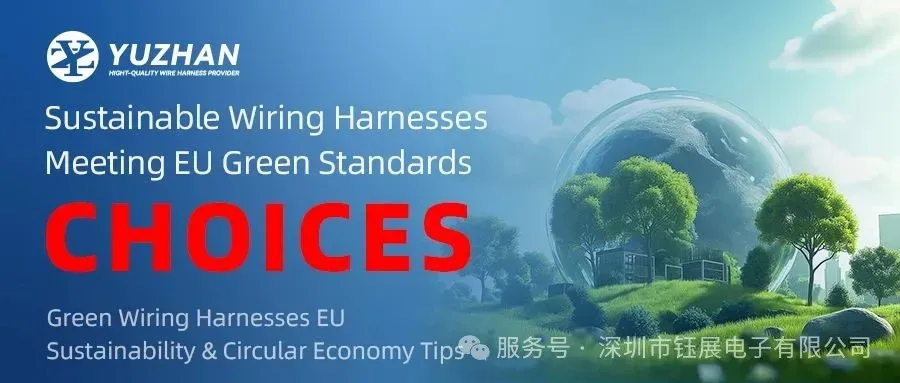
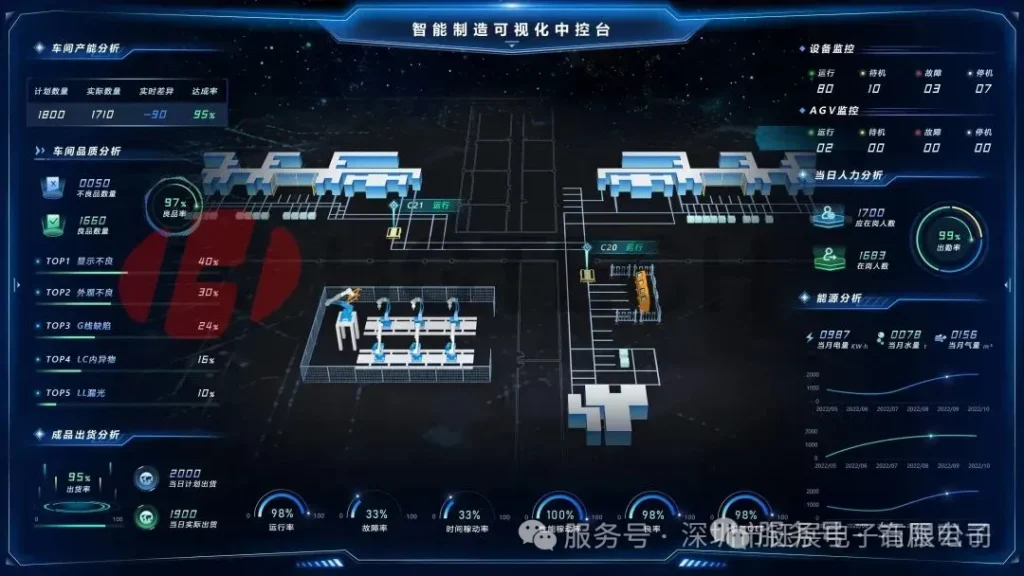
Facing the new standards, leading enterprises are reconstructing production systems through digital means. The wire harness MES (Manufacturing Execution System), serving as the “nerve center” of digital production management, integrates modules such as production planning, equipment management, and quality traceability to establish a full lifecycle management system covering “order-production-delivery.”
In the automotive manufacturing sector, the MES system enables “zero-defect” production under stringent standards. By locking process parameters and linking them with quality inspections, the system digitally records and verifies critical parameters—such as wire cutting length, stripping dimensions, and crimping pressure—ensuring each process complies with standards. When anomalies are detected, the system automatically triggers alarms and generates maintenance work orders to prevent unplanned downtime.
The skill structure of personnel also requires simultaneous upgrading. Operators must master new process specifications (such as FAKRA shielding layer 360° grounding) and assembly standards for locking mechanisms. Inspection personnel, on the other hand, need to learn new methods like transient interruption monitoring and four-wire resistance measurement to avoid quality risks caused by misjudgment.
In June 2025, the “National Standard Training Seminar on Automotive Circuit Systems,” organized by the Vehicle Circuit System Branch of the China Association of Automobile Manufacturers, was held in Nantong, Jiangsu. Leading companies such as Hiprecision attended the event to jointly discuss standardization development and technological trends. Such training activities are helping the industry rapidly adapt to evolving standards.
The standards upgrade has brought significant short-term cost pressures. On the equipment investment side, high-precision crimping machines, environmental simulation labs, and other facilities require millions of yuan in funding. Material costs have also risen accordingly, with LCP housings for engine compartments costing 30% more than standard PA66 materials.
| Investment Category | Representative Item | Cost Range | Payback Period |
| Production Equipment | Laser-Calibrated Crimping Machine | ¥800K–1.2M per unit | 2–3 years |
| Testing Equipment | V5-Grade Vibration Test Bench | ~¥500K per unit | 3–5 years |
| Material Cost | LCP Housing Material | 30% higher than PA66 | 1–2 years |
| Certification Cost | QC/T 1067 Full Certification | ¥200K–500K per product line | 1 year |
In the long term, compliance delivers significant market benefits. Certified enterprises gain access to mainstream automakers’ supply chains (e.g., BYD, Geely) while securing premium pricing. More critically, post-implementation circuit failure rates can decrease by 80%, dramatically reducing recall risks and after-sales cost
Industry data reveals that wiring harness factories strictly adhering to the new standards achieve 15% annual market share growth in premium segments, with product gross margins increasing by 3-5 percentage points. This technological barrier is reshaping competitive dynamics, accelerating industry consolidation.
Connector technology is evolving toward intelligent protection. The integration of humidity sensors has emerged as a new direction, enabling real-time monitoring of sealing status—exemplified by solutions like TE Connectivity’s smart connectors. Meanwhile, self-healing materials have achieved laboratory breakthroughs, utilizing microcapsule technology to repair micro-cracks in sealing rings and extend product lifespan.
Shielding performance requirements continue to escalate. In June 2025, the China Society of Automotive Engineers launched the “Automotive Industry High-Quality Development Consortium Standards Enhancement Initiative.” The Shielding Performance Test Methods for Electric Vehicle High-Voltage Shielded Cables and Connectors, developed under the leadership of China Automotive Engineering Research Institute, was selected as one of the first batch of “Pioneering Consortium Standards.” This standard will drive widespread adoption of precision measurement technologies such as the triaxial method and current injection method.
The application of “carbon fiber reinforced plastic“ (CFRP) achieves 40% weight reduction while maintaining metal-comparable strength, with successful implementations in models like the BMW i3. Meanwhile, demand for halogen-free flame-retardant materials has surged, requiring compliance with both RoHS 3.0 and UL94 V0 fire safety standards.
| Impact Dimension | QC/T 1067 Requirements | Factory Countermeasures |
| Terminal Crimping | Stripping length 5–7mm, Fill rate >90% | Laser-calibrated crimping machines + Online inspection |
| Protection Rating | High-voltage areas: IP6K9K, Interior: IP54 | Dual gasket design + Injection molding process optimization |
| Vibration Test | V5 grade, Transient interruption ≤1μs | Purchase integrated vibration testers + Circuit monitoring systems |
| Contact Resistance | High-voltage terminals ≤1mΩ | 4-wire micro-ohmmeter + 100% full inspection |
Advancement of High-Voltage Platforms Drives Standard Evolution. Under 800V architectures, connectors must meet stringent requirements including initial contact resistance ≤0.5mΩ and ≤15% variation after 2,000 thermal cycles. This technological leap demands coordinated innovation across materials, structural design, and manufacturing processes.
The newly released GB/T 44644.1-2024 “Road Vehicles—50Ω Impedance RF Connection System Interface” and other 2025 standards are accelerating process innovations for high-speed communication harnesses. Next-generation solutions like FAKRA high-speed communication cables are being rapidly implemented to meet intelligent vehicles’ growing demand for high-bandwidth data transmission.
The pace of industry transformation continues to accelerate. In June 2025, the China Society of Automotive Engineers (CSAE), in collaboration with 27 institutions including China Automotive Engineering Research Institute (CAERI), launched the “Automotive Industry High-Quality Development Consortium Standards Enhancement Initiative.” The Shielding Performance Test Methods for Electric Vehicle High-Voltage Shielded Cables and Connectors was selected as one of the first batch of pioneering standard projects, which will drive widespread adoption of precision measurement technologies such as the triaxial method and current injection method.
| Feature | Traditional FAKRA | High-Speed FAKRA (Mini-FAKRA/HFM) | Technical Benefit |
| Frequency | ≤6GHz | 20GHz+ | Supports 4K video, LiDAR high bandwidth |
| Shielding | Partial metal shield | 360° cast shielding | 60dB EMI reduction (ISO 11452-2 compliant) |
| Stability | Single-lock design | CPA+ISL dual-lock | ≤0.1mm terminal displacement (USCAR-2) |
| Size | Standard (15×15mm) | 80% smaller | Fits ADAS sensor dense layouts |
| Standards | USCAR-17 | LV214/QC-T 1067 compatible | Direct replacement for EU/Chinese interfaces |
| Signal Quality | 0.5dB loss @6GHz | 0.3dB loss @20GHz | Distortion-free mmWave radar transmission |
| Temperature | -40℃~85℃ | -40℃~125℃ (LCP material) | Engine bay compatible |
| Automation | Manual assembly | Robotic crimping (≥99% yield) | Lower labor costs, higher consistency (e.g. TE AutoFAKRA) |
Facing the new standard system, leading enterprises have initiated production line restructuring. Equipment manufacturers such as Hiprecision have introduced new energy high-voltage wire automated production lines, fully automatic twisting solutions, and FAKRA high-speed communication wire solutions, forming an intelligent matrix covering the entire process of high and low voltage wiring harnesses. The machine vision and digital systems in these factories are transforming experience-driven operations into data-driven ones, gaining first-mover advantage in this wave of transformation.
| Category | Specification | Application Scenario | Implementation Case Study |
|---|---|---|---|
| High Frequency | 20GHz Bandwidth | LiDAR Signal Transmission | RoboSense M1 LiDAR:• HFM connectors• 10Gbps data rate |
| EMI Shielding | 360° Full Shielding | 5G V2X Antenna Systems | Huawei MH5000:• Mini-FAKRA• C-V2X certified |
| Mechanical Reliability | CPA+ISL Dual Lock | Off-road Vehicle ADAS | Great Wall Tank 300:• 0 vibration failures• GB/T 28046.3 compliant |
| Extreme Environment | -40℃~125℃ Operation | NEV Battery Communication | CATL BMS:• High-temp FAKRA• Replaced CAN bus |
Shenzhen Yuzhan Electronics, founded in 2007, is a highly capable manufacturer specializing in high-quality customized wiring harness integration, providing one-stop integrated wiring harness solutions for globally renowned brands.
Yuzhan Electronics holds multiple invention patents and technical achievements, backed by 17 years of industry expertise in engineering development and production management. Equipped with a comprehensive production system, advanced manufacturing, and testing facilities the company has obtained ISO 9001, IATF 16949 management system certifications, as well as international approvals including 3C, UL, CSA, VDE, and CE.
The company’s products are widely used in new energy vehicles (NEVs), energy storage systems, construction machinery, smart appliances, intelligent robotics, communication networks, medical devices, precision instruments, and other industries. Its products have been exported to the U.S., Europe, Southeast Asia, South America, and other regions.
Over the next decade, Yuzhan Electronics is committed to building a high-tech, high-quality growth engine, focusing on smart energy and new energy sectors for aggressive upward expansion. Currently, the company serves industries such as NEVs, energy storage batteries, solar PV, smart robotics, smart home systems, and intelligent manufacturing
Vehicle-mounted photovoltaics feasibility analysis for NEVs – efficiency bottleneck (23% silicon cells, <2kWh/h), cost barrier (flexible panels 3-5× cost, wiring harness up to ¥10k), safety compliance (automotive-grade certification, fire risks...
View details
Shenzhen Yuzhan Electronics – wire harness supplier for Pudu, Keenon, Zerith, YOUIBOT. 5 values: supply security (3-month connector stock, 50ppm defect rate), cost optimization (12.7% reduction), innovation co-creation (14-day sampling), financial...
View details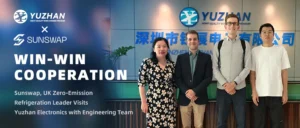
UK zero-emission cold chain tech firm Sunswap partners with Shenzhen Yuzhan Electronics to develop custom premium wiring harnesses for electric refrigeration units. UL & IATF16949 certified cable assemblies power global green cold chain equipment....
View details
EU green directives (RoHS 2.0, WEEE, PPWR) reshape wiring harness exports: PBDEs from 500→10mg/kg, 75-85% recycling mandates, PFAS ban by 2027. Solutions: radiation-crosslinked polyolefins (250°C, 30% cost cut), PPS、PTFE, modular snap-fit design ...
View details